Inside ServiceNow's Control Tower Alliance: Who Can Actually Stop an Enterprise AI Agent?
An architectural teardown of ServiceNow’s 11-member alliance, the mechanics of managed agent kill switches, and why cross-platform emergency shutdown remains an unstandardized aspiration.
Japanese Edition: Read the original Japanese article on Substack
Video Episode (Japanese Audio): Watch on YouTube
Executive Summary & Core Findings
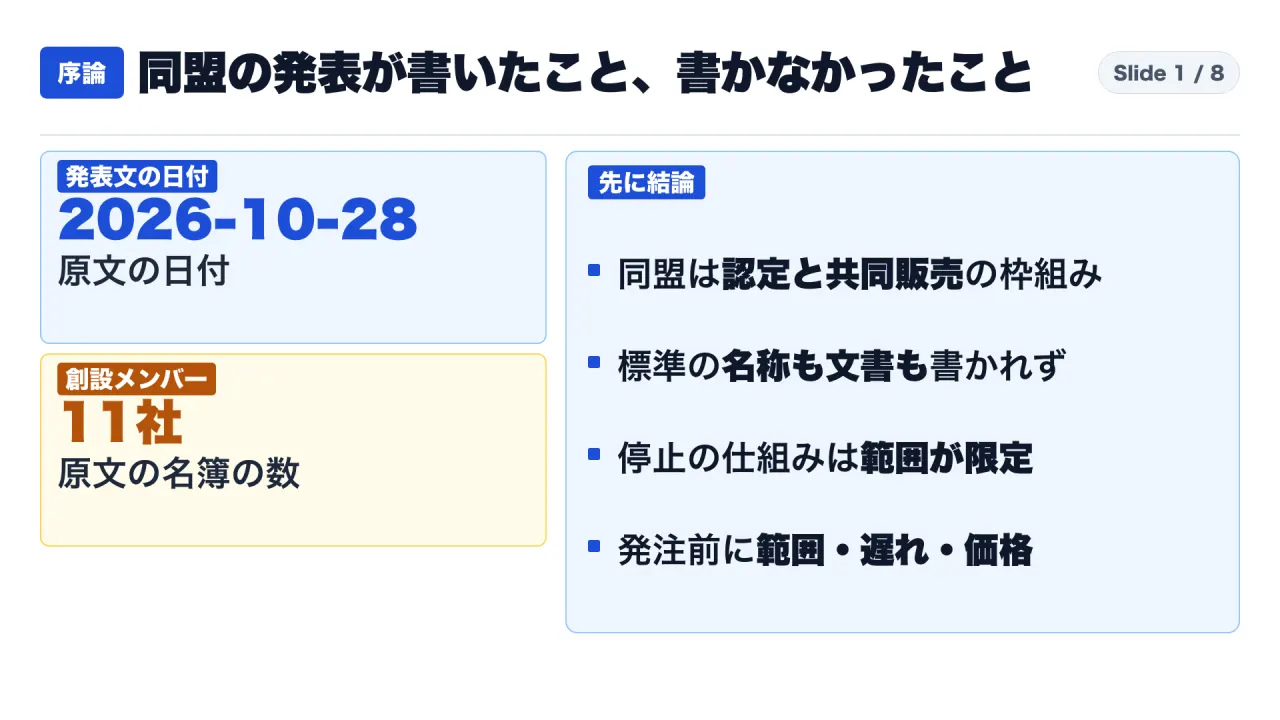
On October 28, 2026, ServiceNow issued a major press release via Business Wire announcing the launch of the Control Tower Alliance, an ecosystem initiative designed to help enterprises govern and deploy agentic AI safely at scale. The announcement generated immediate industry interest by referencing “shared standards for agent identity and safety guardrails” alongside corporate commentary emphasizing runtime kill switches.
However, an engineering audit of the primary announcement and ServiceNow’s technical administration documentation reveals three critical operational realities:
- A Co-Selling and Certification Framework, Not an Open Specification: The Control Tower Alliance is structured as a partner qualification, integration testing, and joint go-to-market program. Despite citing “shared standards,” the announcement names no formal technical specification, publishes no protocol documents, and provides no public repository.
- The Stopping Mechanism Exists, but Only for Managed Agents: ServiceNow’s official product documentation confirms that a native “kill switch protocol” exists. However, it operates exclusively on “managed AI agents” explicitly cataloged within ServiceNow Inventory, requires the administrative role
sn_ai_governance.ai_steward, and depends on pre-configured Control Enforcement Points (CEPs). - Cross-Platform Universal Kill Switches Remain an Aspiration: Commentary from identity partner Okta highlights blocking new token requests, leaving the invalidation of existing active tokens ambiguous. Okta explicitly frames a universal, cross-platform kill switch as a future “shared vision,” not a deployed open standard.
For enterprise IT architects, CISOs, and procurement leaders evaluating AI governance platforms, due diligence requires looking past alliance branding to examine technical enforcement boundaries, credential invalidation latencies, and total cost of ownership.
Primary Sources & Investigation Methodology
This investigation cross-examines four primary documentation sources retrieved on November 3, 2026:
- S1. Official Alliance Announcement (October 28, 2026): “ServiceNow launches Control Tower Alliance to help enterprises adopt AI safely at scale” (ServiceNow Investor Relations PDF).
- S2. ServiceNow Technical Documentation (Configuration): “Configure AI agent containment using kill switch protocol manually” (Brazil documentation hub, updated September 10, 2026) (Official Doc S2).
- S3. ServiceNow Technical Documentation (Architecture): “AI agent containment using kill switch protocol manually” (Brazil documentation hub, updated September 10, 2026) (Official Doc S3).
- S4. ServiceNow Technical Documentation (Operations): “Deactivate a managed AI agent” (Brazil documentation hub, updated September 10, 2026) (Official Doc S4).
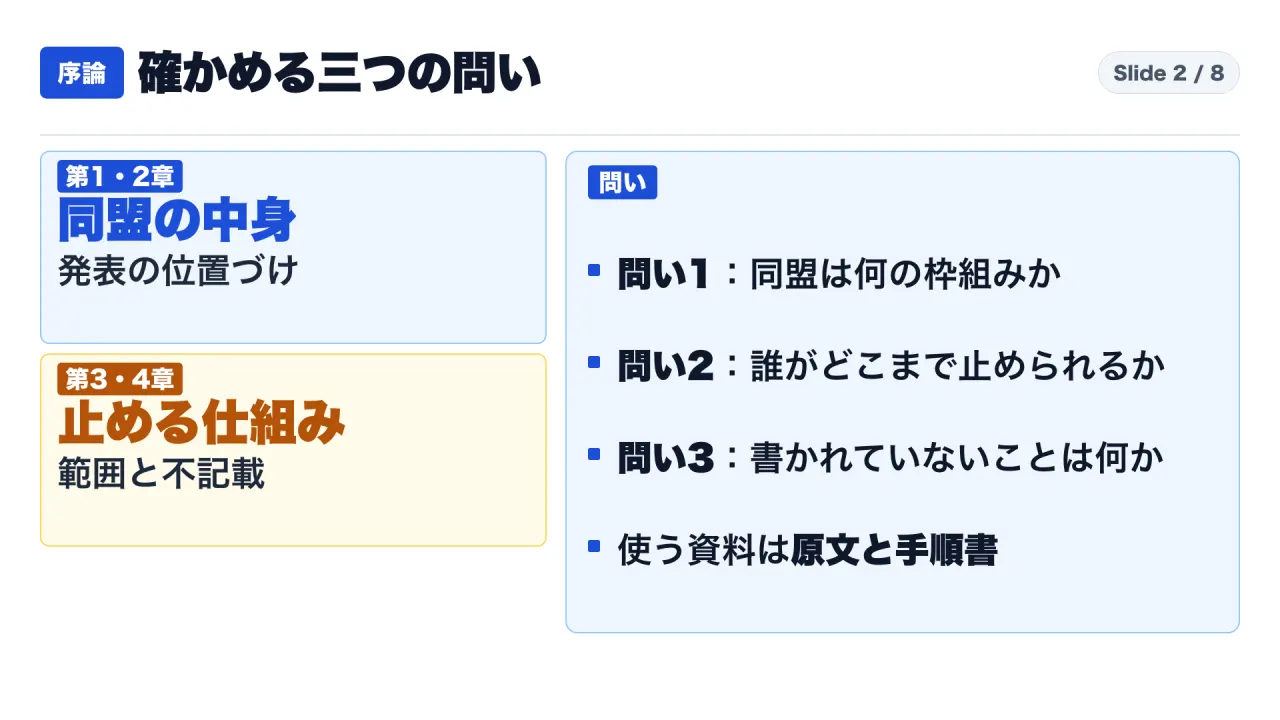
To establish clear investigative boundaries, this analysis separates:
- Verified Primary Facts: Mechanics explicitly documented in official administrative manuals.
- Corporate Vendor Statements: Marketing claims and executive quotes contained in press releases.
- Architectural Interpretations: Objective assessments of structural limitations and runtime trade-offs.
- Omitted Data: Commercial terms, SLAs, and technical specifications absent from all materials.
1. Dissecting the October 28, 2026 Alliance Announcement
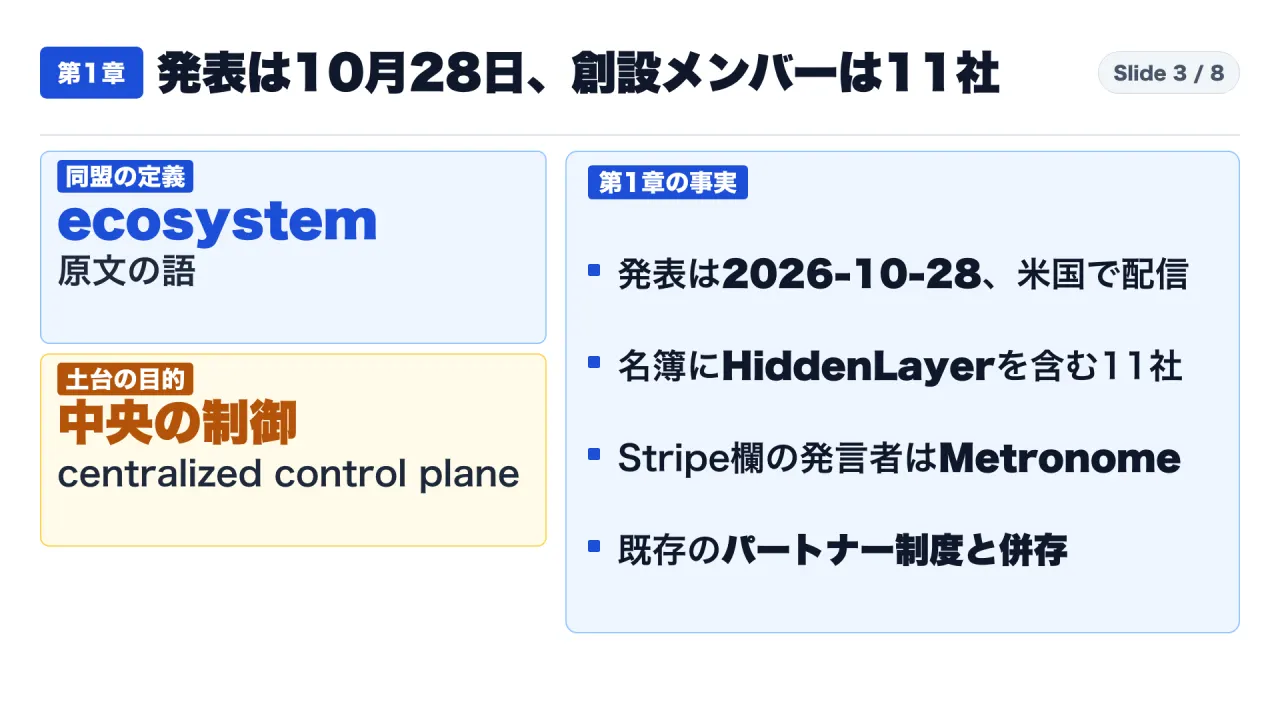
Distributed from Santa Clara, California, on October 28, 2026, the press release defines the Control Tower Alliance as “a new ecosystem of leading companies in AI, cloud infrastructure, security, governance, value measurement and token metering.”
The 11 Founding Member Organizations
A physical count of the participating roster yields 11 founding member companies:
- Anthropic (Frontier AI foundation models)
- Amazon Web Services (AWS) (Cloud infrastructure and Bedrock runtime)
- Cisco (Enterprise networking and security observability)
- HiddenLayer (AI model threat detection and security)
- Kong (API gateway and runtime management)
- NVIDIA (Accelerated computing and OpenShell runtime enforcement)
- Okta (Enterprise identity and access management)
- OpenAI (Frontier AI foundation models)
- Stripe (Represented by Scott Woody, CEO of billing infrastructure product Metronome)
- WitnessAI (AI safety guardrails and governance)
- Zenity (Agentic AI application security and governance)
Stated Control Plane Objectives
The initiative anchors to ServiceNow’s Super Intelligence Control Tower, which the announcement positions as a centralized control plane to “discover, secure, govern, observe, and measure enterprise AI.” Crucially, the announcement clarifies that the alliance does not replace existing procurement channels; it “will coexist alongside the ServiceNow Store and Workflow Data Network Partner Passport programs.”
ServiceNow President and Chief Operating Officer Amit Zavery framed the premise by stating that “no single solution, no matter how powerful, can see everything, protect anything on its own.” While strategically sound, this statement reflects corporate positioning rather than an operational software specification.
2. Structural Architecture: Business Ecosystem vs. Technical Standards
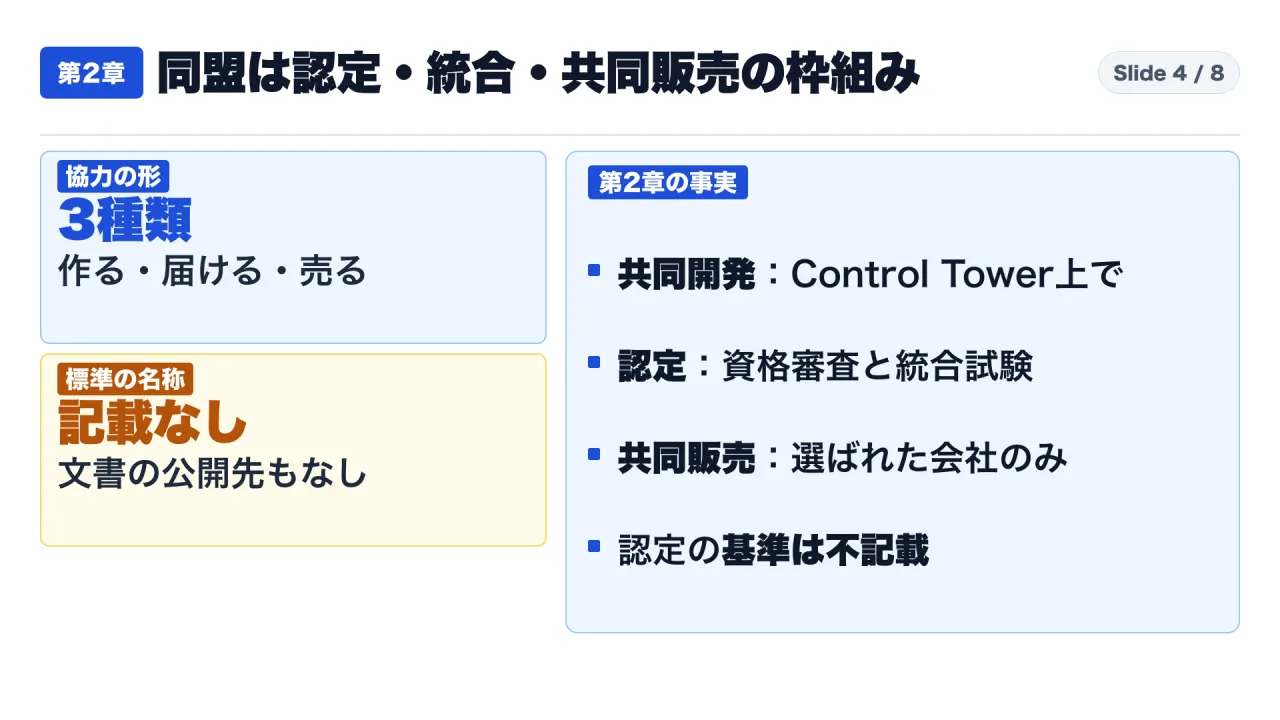
The announcement articulates the partnership model around three core operational pillars:
- Build Together: Partners and ServiceNow co-develop differentiated integrations operating atop the Super Intelligence Control Tower.
- Deliver with Governance: Curated, pre-integrated solutions undergo formal ServiceNow qualification and certification testing.
- Sell and Lead Together: Selected partner technologies are distributed and supported through ServiceNow’s global enterprise sales apparatus.
The Ambiguity of “Shared Standards”
The central governance claim in the announcement asserts:
“Curated, pre-integrated solutions pass ServiceNow qualification and certification, and shared standards for agent identity and safety guardrails keep AI accountable to the business.”
When evaluated rigorously, this statement describes a commercial certification program rather than an open protocol. The announcement provides no standard nomenclature (such as an IEEE, IETF, or ISO specification), links to no published white paper, and discloses no concrete technical criteria required to pass certification. Prospective buyers cannot ascertain whether “shared standards” refers to pre-existing conventions, bespoke ServiceNow APIs, or speculative design guidelines.
3. The Stopping Mechanism: Dissecting ServiceNow Administrative Docs
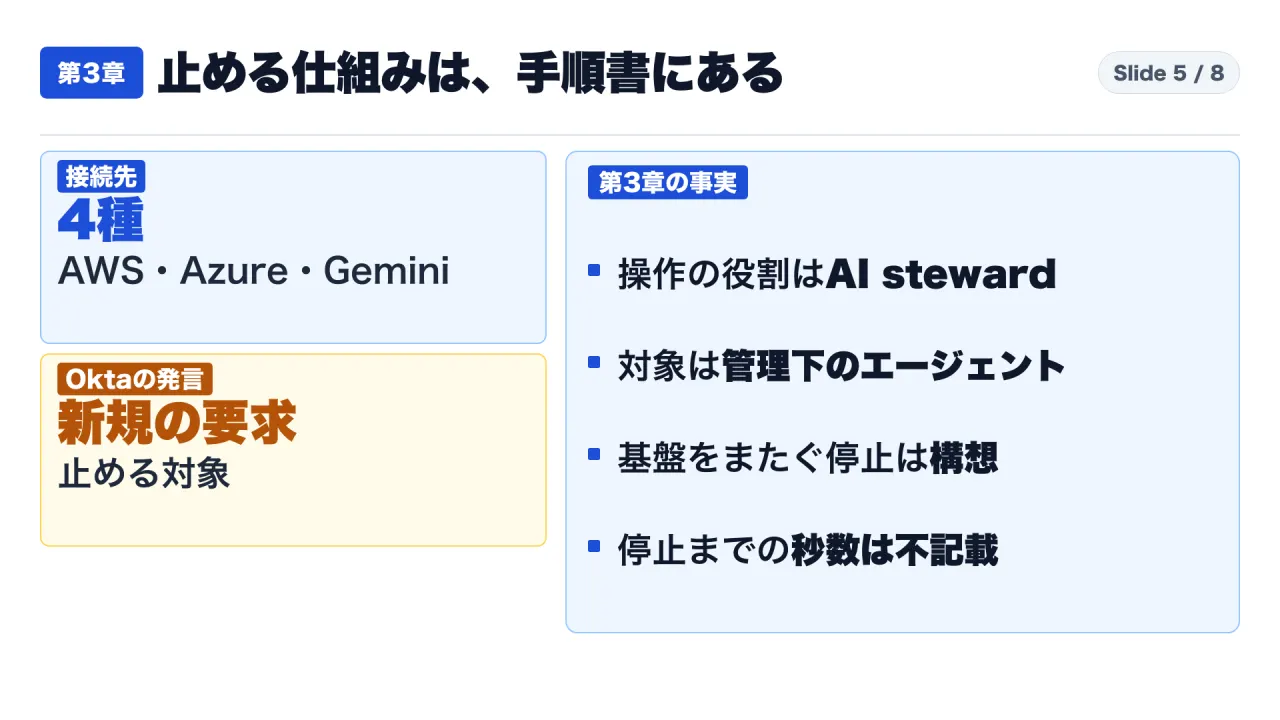
Because the public press release provides sparse technical detail regarding how agents are halted, an architectural audit requires examining ServiceNow’s formal administration guides (S2, S3, S4).
Operational Mechanics of the Kill Switch Protocol
ServiceNow’s technical documentation defines containment as an operation that:
“gives you the ability to immediately contain an AI agent and revoke all of its active credentials across the connected enforcement points that you configured.”
When an operator triggers containment:
- The AI Control Tower transmits credential revocation requests to each configured Control Enforcement Point (CEP).
- The platform awaits confirmation of enforcement completion from every individual CEP.
- Only after receiving affirmative confirmations across all endpoints is the agent formally declared “contained.”
- The system logs a tamper-evident audit record within an immutable containment ledger.
Who Can Stop an Agent? Role and Scope Boundaries
The documentation establishes strict operational constraints:
- Mandatory Administrative Role: The initiating user must hold
sn_ai_governance.ai_steward. - Strict Asset Scope: Containment is “available only for managed AI agents in the Agentic AI category. It isn’t available for unmanaged agents.”
- Inventory Dependency: An agent must be actively registered and maintained within ServiceNow Inventory/Assets before any kill switch can be applied. Unmanaged, shadow-IT, or third-party autonomous agents completely bypass this mechanism.
Supported Control Enforcement Points (CEPs)
According to S2 and S3, native containment commands can be routed to four cloud platforms:
- AWS Bedrock
- AWS Bedrock Agent Core
- Gemini Enterprise Agent Platform (restricted to agents possessing unique identities)
- Azure AI Foundry
- ServiceNow Native Agents
- Okta (Optional integration for identity lifecycle enforcement)
Vendor Statements vs. Runtime Realities
| Organization | Disclosed Governance Action | Source | Omitted Critical Details |
|---|---|---|---|
| ServiceNow | Deactivate/reinstate managed agents; revoke active credentials across CEPs | S2, S3, S4 | Propagation latency metrics; criteria for assigning ai_steward |
| Okta | Block new token requests for rogue agents | S1 (Quote) | Invalidation timeline for existing active access tokens |
| Okta | Cross-platform universal kill switch | S1 (Quote) | Formulated strictly as “shared vision” / “looking ahead” |
| NVIDIA | OpenShell enforces runtime boundaries | S1 (Quote) | Delivery timeline and integration benchmarks |
| Kong | Real-time governance enforcement across APIs and tools | S1 (Quote) | GA availability dates and latency overhead |
Okta Chief Product Officer Ely Kahn stated that “enterprise AI adoption stalls when organizations lack a central way to cut off a rogue agent’s access.” Okta combines ServiceNow’s “containment decision layer” with Okta’s “kill switch capability” to “block new token requests from agents acting beyond their intended scope.”
Crucially, blocking new token requests does not automatically sever operations authenticated with pre-existing, non-expired tokens. Furthermore, Kahn explicitly characterizes cross-platform containment as a future aspiration:
“Looking ahead, our shared vision is to advance the open standards needed to make a cross-platform kill switch possible…”
4. Omitted Realities: What the Alliance Documents Do Not Disclose
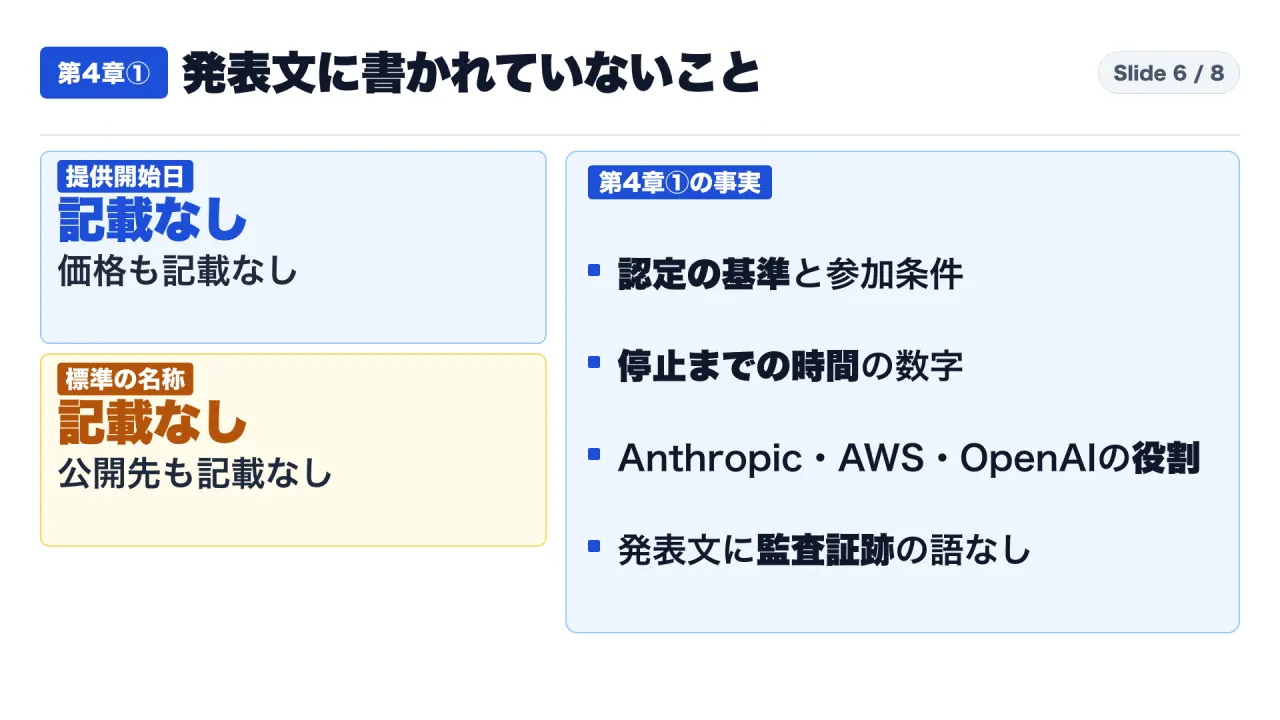
A systematic inventory of missing operational disclosures reveals six substantial blind spots:
- General Availability & Delivery Schedules: The announcement contains zero GA dates. The legal forward-looking disclaimer explicitly warns that “developing, integrating, certifying, and deploying” alliance offerings may face unforeseen delays and substantial costs.
- Commercial Pricing Models: The announcement discloses no pricing structures, consumption tiers, or token-metering licensing fees.
- Formal Standards Documentation: The phrase “shared standards” appears without a formal title, architectural specification, or standards-body submission.
- Enforcement Latency Metrics: While documentation states containment occurs “immediately,” it provides no quantitative Service Level Agreement (SLA). The round-trip time required to poll and confirm revocations across multiple heterogeneous CEPs is unstated.
- Silent Founding Partners: While Cisco, HiddenLayer, Kong, NVIDIA, Okta, Metronome, WitnessAI, and Zenity provide executive quotes, three of the largest participants—Anthropic, AWS, and OpenAI—appear solely on the member roster with zero described commitments.
- Shadow AI Governance: The architecture offers no mechanism to halt unmanaged agents operating outside formal ServiceNow inventory cataloging.
5. Architectural Interpretation: Layered Controls and Enterprise Realities
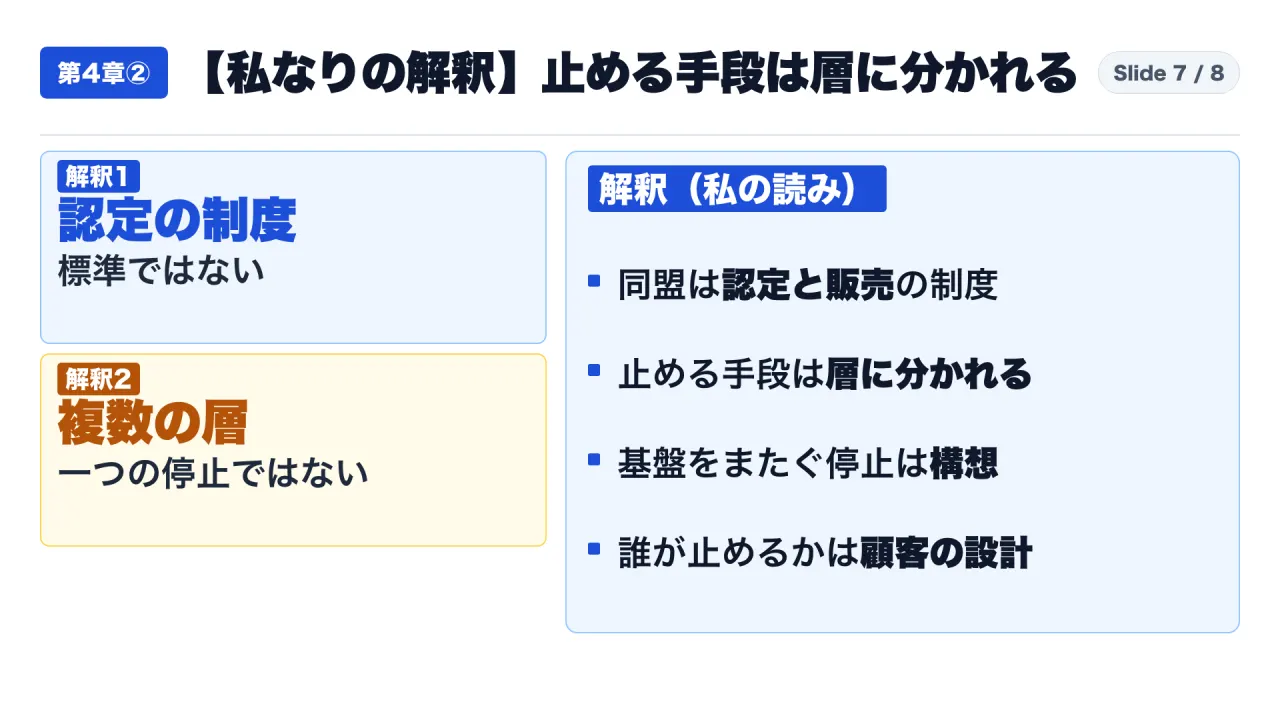
A forensic examination of the software stack reveals that enterprise AI containment cannot be executed via a magical “single red button”:
The Disjointed Governance Triad
- The Policy & Containment Decision Layer (ServiceNow): Evaluates organizational policy, maintains asset registries, and coordinates administrative kill switch orders, restricted strictly to managed assets.
- The Identity & Credential Layer (Okta): Governs token minting and directory permissions. When instructed, it stops issuing new access tokens, though active sessions depend on token lifetime configurations.
- The Runtime Network & Execution Layer (Kong & NVIDIA OpenShell): Enforces real-time traffic filtering, API rate limits, and network boundary policies at the packet and prompt level.
Because these layers reside across fundamentally different systems, a complete shutdown requires multi-vendor orchestration. Enterprise buyers must recognize that ServiceNow does not act as an all-encompassing proxy; rather, it coordinates downstream enforcement across disparate API endpoints.
6. Enterprise Procurement Checklist Before Contract Execution
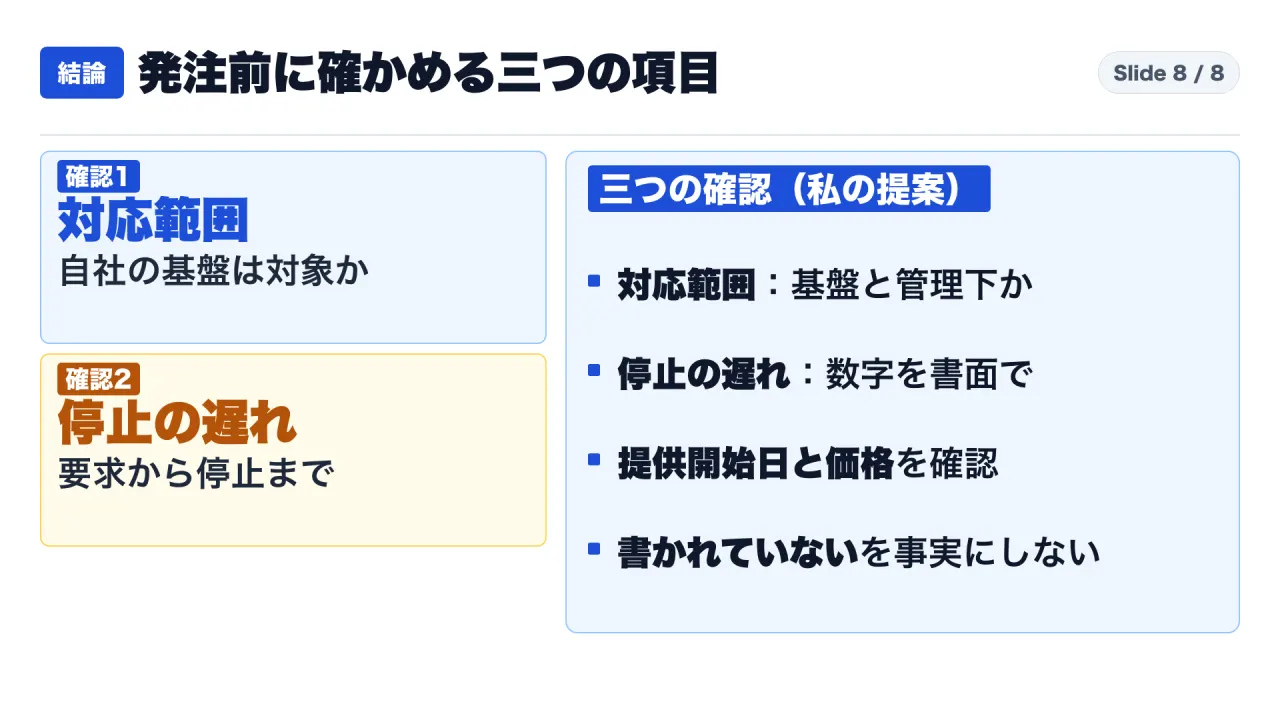
Enterprise IT, security, and procurement leads evaluating the Control Tower Alliance should execute three mandatory due diligence checks before committing budget:
1. Platform Coverage & Asset Onboarding Audits
- Verify whether your organization’s primary LLM deployment environments (AWS Bedrock, Azure AI Foundry, Vertex AI, self-hosted Kubernetes clusters) are officially supported CEP endpoints.
- Establish an automated pipeline ensuring that every agent spawned by internal teams is formally cataloged as a “managed asset” with assigned
ai_stewardoversight.
2. Revocation Propagation Latency & Token TTLs
- Demand contractual clarity regarding the maximum allowable propagation delay between initiating a kill switch and achieving full revocation confirmation across all CEPs.
- Audit downstream identity architectures to configure aggressively short Time-To-Live (TTL) windows on agent tokens, preventing rogue operations during propagation intervals.
3. Commercial Terms & Delivery Verification
- Request written product roadmaps distinguishing deployed GA functionality from forward-looking alliance aspirations.
- Obtain explicit pricing models covering licensing, add-on governance modules, and per-token metering overhead.
Primary References & Source Directory
- S1. ServiceNow Press Release: “ServiceNow launches Control Tower Alliance to help enterprises adopt AI safely at scale” (October 28, 2026) (IR PDF Link).
- S2. ServiceNow Technical Guide (Configuration): “Configure AI agent containment using kill switch protocol manually” (Brazil Documentation Hub, September 10, 2026) (Doc Link).
- S3. ServiceNow Technical Guide (Architecture): “AI agent containment using kill switch protocol manually” (Brazil Documentation Hub, September 10, 2026) (Doc Link).
- S4. ServiceNow Technical Guide (Operations): “Deactivate a managed AI agent” (Brazil Documentation Hub, September 10, 2026) (Doc Link).