Inside OpenAI's $172,000 Bug Bounty Multipliers: Why the $100K Cap Didn't Change, Low-Severity Payouts Dropped to $0, and Jailbreaks Remain Strictly Excluded
A forensic analysis of OpenAI’s updated Bugcrowd policy, compounding bonus tiers, model behavior exclusion boundaries, and enterprise vulnerability disclosure standards.
Japanese Edition: https://consuloji.substack.com/p/openai172000
YouTube (Japanese audio): https://www.youtube.com/watch?v=88CiiykR7Xw
Executive Summary & Core Thesis
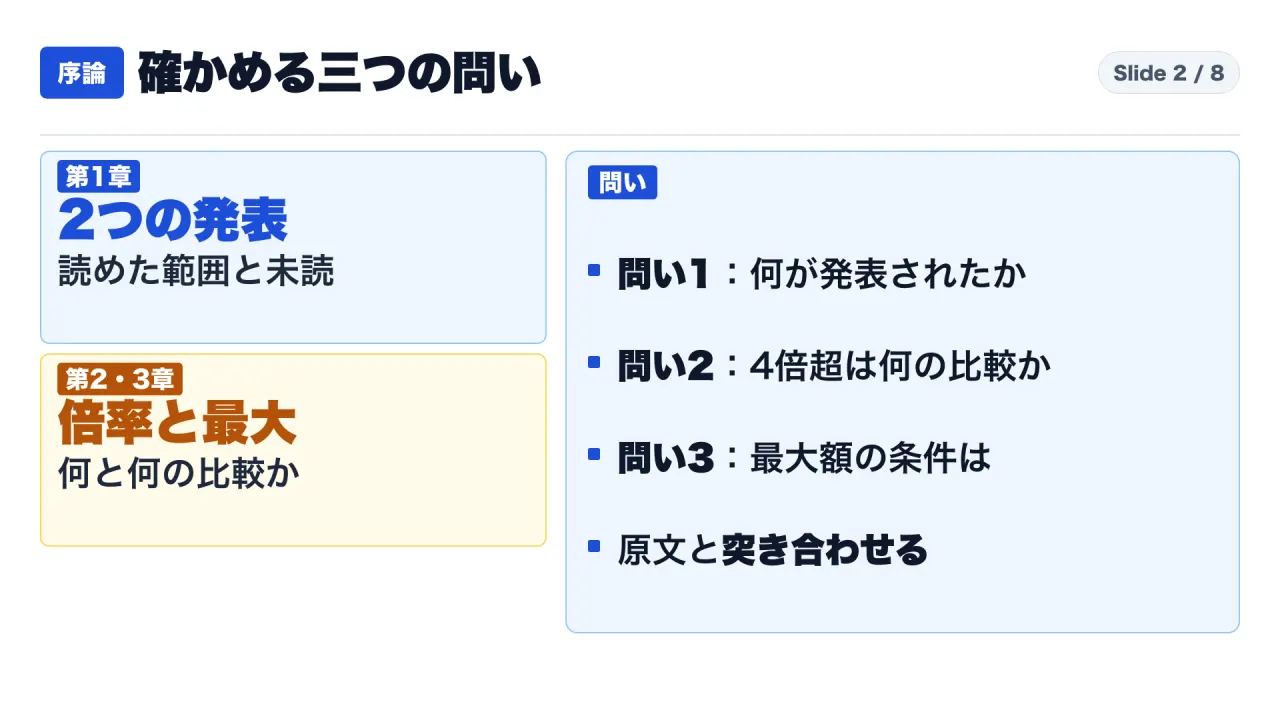
- Core Thesis: On November 2, 2026 (18:00 UTC), OpenAI announced twin security initiatives: preparations for an internal red-teaming security sprint with Cathedral Systems, alongside an overhaul of its public bug bounty program on Bugcrowd. Developer communities quickly amplified two headline figures: that bounty rewards increased by “more than 4x on average” and that critical findings could earn “up to $172,000” (approximately 27.08 million JPY at 157.47 USD/JPY). However, a forensic audit comparing OpenAI’s updated Bugcrowd policy (published November 4, 2026) against its prior October 27 baseline reveals three structural realities: (1) The maximum program cap was not raised to $172,000—the base cap (
programMax) remains unchanged at $100,000, with $171,925 representing a theoretical compounding calculation combining three separate multipliers; (2) “More than 4x higher” is an arithmetic average across three tiers, where critical (P1) baseline midpoints expanded 4.71x while medium (P3) midpoints expanded 3.0x; and (3) Low-severity (P4) and informational (P5) base bounties were eliminated ($0), transitioning OpenAI’s program from high-volume bug collection to high-impact vulnerability triage. - Who Should Read This: Enterprise Chief Information Security Officers (CISOs), application security architects, bug bounty hunters, independent security researchers, and corporate governance teams establishing Coordinated Vulnerability Disclosure (CVD) frameworks.
- Key Architectural & Governance Takeaways:
- The compounding multiplier formula:
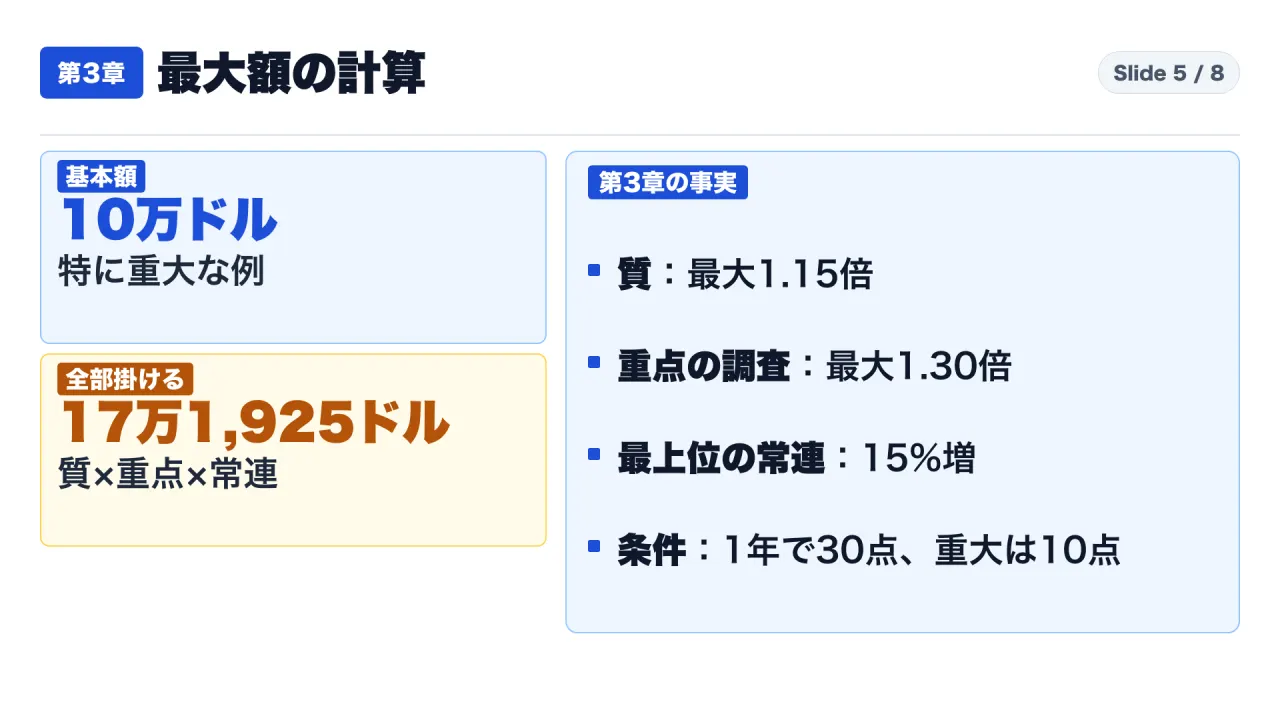
Final Bounty = Base Reward x Report Quality (up to 1.15x) x Campaign Target (up to 1.30x) x Researcher Loyalty Tier (up to 1.15x). - The strict boundary separating product vulnerabilities from model behavior: why conversational jailbreaks, hallucinations, and prompt injections that merely alter system tone are excluded, while prompt injections causing unauthorized cross-tenant data exfiltration remain eligible.
- An actionable enterprise implementation playbook: five mandatory clauses to include in corporate vulnerability disclosure policies, paired with an RFC 9116
security.txtverification checklist.
- The compounding multiplier formula:
Primary Sources & Audit Baseline

This investigation evaluates primary policy changelogs, official announcements, and international standards verified between November 3 and November 4, 2026:
- 1. OpenAI Bugcrowd Policy Changelog (November 4, 2026, 00:53 UTC): Updated bounty tables, multiplier definitions, loyalty tier criteria, and target scoping rules (Bugcrowd Changelog).
- 2. OpenAI Bugcrowd Policy Changelog Baseline (October 27, 2026): Prior baseline bounty schedules and target tier allocations (Bugcrowd Baseline Changelog).
- 3. OpenAI Security Team Official Announcement (Bugcrowd, November 3, 2026): Policy enactment disclosures, retroactive 30-day payout adjustments, and incentive rationales (Bugcrowd Announcements).
- 4. OpenAI Official Newsfeed (RSS) & Public Postings (November 2–3, 2026): Dual announcements covering the Cathedral Systems security sprint and bug bounty overhaul (OpenAI Newsfeed and OpenAI Announcement Post).
- 5. IETF RFC 9116 (A File Format to Aid in Security Vulnerability Disclosure): Standardized machine-readable vulnerability reporting directives (IETF RFC 9116).
- 6. Federal Reserve Board H.10 Exchange Rate Release (November 2, 2026): Official reference rate of $1.00 USD = 157.47 JPY (Federal Reserve H.10).
1. Dual Security Announcements: Internal Sprints and External Incentives
On November 2, 2026, at 18:00 UTC, OpenAI published two concurrent security releases outlining a layered defensive posture:

1-1. The Cathedral Systems Security Sprint
The first release, titled “Preparing our next security sprint to harden OpenAI,” disclosed that OpenAI is coordinating an internal red-teaming sprint alongside external research specialists from Cathedral Systems. The narrative outlined an asymmetric thesis: as artificial intelligence models enhance automated vulnerability discovery, defenders must deploy frontier models ahead of potential threat actors to stress-test core infrastructure.
While secondary summaries asserted that OpenAI dedicated 25% of product engineers to prior sprints with automated Codex agents, primary text in OpenAI’s RSS feed and public postings contained no verified allocation percentages; these figures remain unverified.
1-2. The External Bounty Expansion
The second announcement, titled “Rewarding defenders with bigger bug bounties,” restructured OpenAI’s crowdsourced vulnerability rewards on Bugcrowd. The policy took effect immediately on November 2, 2026, and included a retroactive clause: any valid submission rewarded during the 30 days prior to November 2 would be re-evaluated under the new schedules, with researchers receiving retroactive top-up payments.
2. Deconstructing “More Than 4x Higher”: Midpoints vs. Maximums
The headline most widely cited in media coverage was that OpenAI increased bug bounties by “more than 4x on average.” A granular audit of Bugcrowd’s Vulnerability Rating Taxonomy (VRT) reward bands shows how this figure was derived.

2-1. Shifting Reward Bands Across Scopes
In the Bugcrowd program documentation, OpenAI defines baseline reward bands across four primary severity tiers: P1 (Critical), P2 (High), P3 (Medium), and P4 (Low). Comparing the October 27 baseline against the November 4 schedule illustrates the shift:
| Evaluation Scope | Severity Priority | Baseline Reward Band (Oct 27, 2026) | Updated Reward Band (Nov 4, 2026) | Midpoint Expansion |
|---|---|---|---|---|
| ChatGPT Services | P1 Critical | $2,000 – $6,500 (Mid: $4,250) | $10,000 – $30,000 (Mid: $20,000) | 4.71x (+370.6%) |
| ChatGPT Services | P2 High | $1,000 – $2,000 (Mid: $1,500) | $3,000 – $7,000 (Mid: $5,000) | 3.33x (+233.3%) |
| ChatGPT Services | P3 Medium | $500 – $1,000 (Mid: $750) | $1,500 – $3,000 (Mid: $2,250) | 3.00x (+200.0%) |
| ChatGPT Services | P4 Low | $200 – $500 (Mid: $350) | $0 (Base Bounty Eliminated) | Eliminated (-100%) |
| API Targets | P1 Critical | $2,000 – $6,500 (Mid: $4,250) | $10,000 – $30,000 (Mid: $20,000) | 4.71x (+370.6%) |
| Codex CLI & Desktop | P1 Critical | $500 – $1,500 (Mid: $1,000) | $10,000 – $30,000 (Mid: $20,000) | 20.0x (Reclassified) |
| Other OpenAI Targets | P1 Critical | $1,250 – $2,500 (Mid: $1,875) | $3,000 – $7,000 (Mid: $5,000) | 2.67x (+166.7%) |
| Exposed API Keys | P1 Critical | $250 – $2,500 | $250 – $2,500 | Unchanged (0%) |
Note: Data compiled directly from OpenAI Bugcrowd policy changelogs (October 27 and November 4, 2026).
2-2. The Arithmetic Midpoint Reality
OpenAI’s summary text explains: “More than 4x higher reward midpoints on average for medium, high, and critical vulnerabilities.” Across ChatGPT Services:
- P1 midpoint moved from $4,250 to $20,000 (4.71x).
- P2 midpoint moved from $1,500 to $5,000 (3.33x).
- P3 midpoint moved from $750 to $2,250 (3.00x).
The simple average across these three core tiers is 3.68x. To reach the claimed “more than 4x” blended average, OpenAI’s calculation incorporates reclassified target groups—such as Codex CLI, where the baseline critical range shifted from $500–$1,500 to $10,000–$30,000 (a 20x jump) as local desktop command-line tooling was elevated to tier-one operational status.
2-3. The Strategic Elimination of P4 Base Bounties
The most significant operational change for independent researchers is one that received zero promotional emphasis: Low (P4) and Informational (P5) vulnerabilities no longer carry a base monetary bounty. The updated policy explicitly states:
“You may still report Low (P4) and Informational (P5) findings, but those priorities do not carry a base bounty.”
Previously, a low-severity finding earned between $200 and $500. By eliminating P4 payouts while dramatically boosting P1 rewards, OpenAI deliberately aligned crowdsourced incentives toward complex, high-impact systemic vulnerabilities rather than high-volume scanner output.
3. Dissecting the $172,000 Cap: The Compounding Multiplier Formula
The figure that captured the most public attention was “up to $172,000.” OpenAI did not raise its maximum program cap from $100,000 to $172,000. Instead, $171,925 is the mathematical output of a specific compounding formula:
Final Bounty = Base Reward x Report Quality x Focus Campaign x Loyalty Bonus
3-1. Deconstructing the Multipliers
The policy introduces three discrete performance and targeting multipliers:
- Report Quality Multiplier (0.85x to 1.15x):
- High-Quality Submissions (Up to 1.15x): Clear root-cause explanation, minimal functional reproduction scripts, accurate assumptions, and realistic impact assessments.
- Standard Submissions (1.00x): Sufficient detail for reproduction and validation.
- Low-Quality Submissions (Down to 0.85x): Poorly structured, incomplete, or requiring extensive back-and-forth triage communication. Submissions can be penalized by up to -15%.
- Focus Campaign Multiplier (Up to 1.30x):
- Applied to time-bound campaigns targeting specific high-risk architectures, new API endpoints, or newly deployed enterprise features.
- Researcher Loyalty Bonus Tier (0% to +15%):
- OpenAI established a five-tier researcher loyalty program based on validated points earned over the preceding 12 months:
| Loyalty Tier | Additional Bonus % | Trailing 12-Month Qualification Threshold | Operational Equivalent |
|---|---|---|---|
| Standard | 0% | Baseline / Insufficient historical record | 0 valid reports |
| Bronze | +5.0% | 3 points | 3 Medium (P3) reports |
| Silver | +7.5% | 10 points | 1 Critical (P1) report |
| Gold | +10.0% | 20 points | 2 Critical (P1) reports |
| 31337 (Elite) | +15.0% | 30 points | 3 Critical (P1) reports in 12 months |
Points are awarded strictly on valid findings: P1 yields 10 points, P2 yields 4 points, P3 yields 1 point, and P4/P5 yield 0 points. Submitting erroneous findings penalizes the researcher by -1 point. Researchers become eligible for loyalty tiers only after validating two distinct reports.
3-2. Reconciling the $171,925 Calculation
In the policy appendix, OpenAI provides two illustrative calculations:
- Example A (Single-Click Account Takeover): A critical flaw in ChatGPT Services assigned a baseline reward of $20,000. Applying a 1.15x Quality multiplier, a 1.30x Campaign multiplier, and a 1.15x Elite loyalty bonus yields:
$20,000 x 1.15 x 1.30 x 1.15 = $34,385 - Example B (Systemic Chat History Exfiltration): A catastrophic critical vulnerability exposing all user conversations globally, awarded the absolute maximum program base reward of $100,000. Applying all three maximum multipliers yields:
$100,000 x 1.15 x 1.30 x 1.15 = $171,925
This $171,925 figure—rounded to $172,000—is the origin of the headline. To achieve this payout, a researcher must discover an existential vulnerability warranting the full $100,000 base ceiling, submit flawless documentation, identify it during a designated focus campaign, and hold elite “31337” status with at least three prior confirmed P1 reports within the past year.
4. Scope Boundaries: Model Behavior Exclusions vs. Systemic Exploits
For AI security practitioners, the most critical section of OpenAI’s Bugcrowd brief is the scope exclusion boundary.
4-1. Model Safety and Jailbreak Exclusions
The policy states in prominent bold text:
“Model safety issues are not in scope for this security bug bounty.”
The policy explicitly excludes:
- Prompt injection techniques that merely persuade the model to bypass ethical filters or generate controversial language.
- Jailbreaks, persona roleplay bypasses, and conversational guardrail evasions.
- Hallucinations, factual inaccuracies, and system prompt extraction where no underlying credential or private database is leaked.
- Forcing the model to write generic malware or explain offensive cyber methodologies.
These issues are routed to standard model feedback mechanisms or the separate, non-monetary Safety Bug Bounty framework.
4-2. When AI Exploits Become In-Scope
Conversely, prompt injection is eligible for bounty compensation when it directly compromises the software application layer or infrastructure isolation:
- Indirect Prompt Injection Causing Data Exfiltration: A malicious webpage or document that, when ingested by ChatGPT browsing or an enterprise connector, causes the model to transmit user authentication tokens, private conversation history, or corporate database records to an external server.
- Unauthorized Tool Execution: An injection that triggers sensitive API tool calls (such as deleting files, modifying access controls, or initiating transactions) without explicit user authorization.
- Cross-Tenant Context Leakage: Memory injection attacks that corrupt another tenant’s session state or bypass container sandboxing.
4-3. Safe Harbor and Data Handling Rules
OpenAI’s terms adopt the standard disclose.io framework:
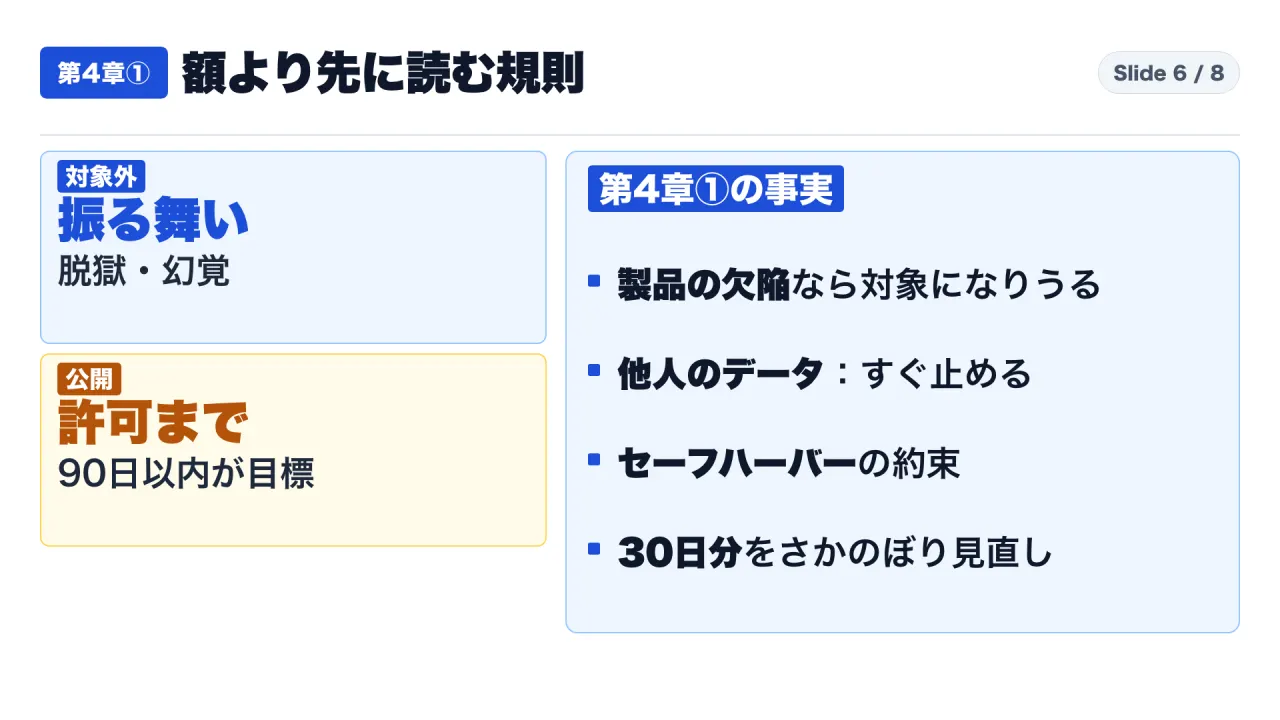
- Immediate Halt on Third-Party Data Exposure: If a researcher inadvertently accesses another user’s personal data during testing, they must immediately cease testing, notify OpenAI security within the report, and permanently purge local copies. Gathering additional data to “demonstrate impact” violates Safe Harbor.
- Coordinated Disclosure Embargo: Vulnerability details must remain confidential until OpenAI formally authorizes disclosure, with a stated objective of remediating confirmed flaws within 90 days of initial triage.
5. Enterprise Governance Playbook: 5 CVD Clauses and RFC 9116 Standards
The structural design of OpenAI’s updated policy offers an enterprise blueprint for corporate security leaders managing AI infrastructure.
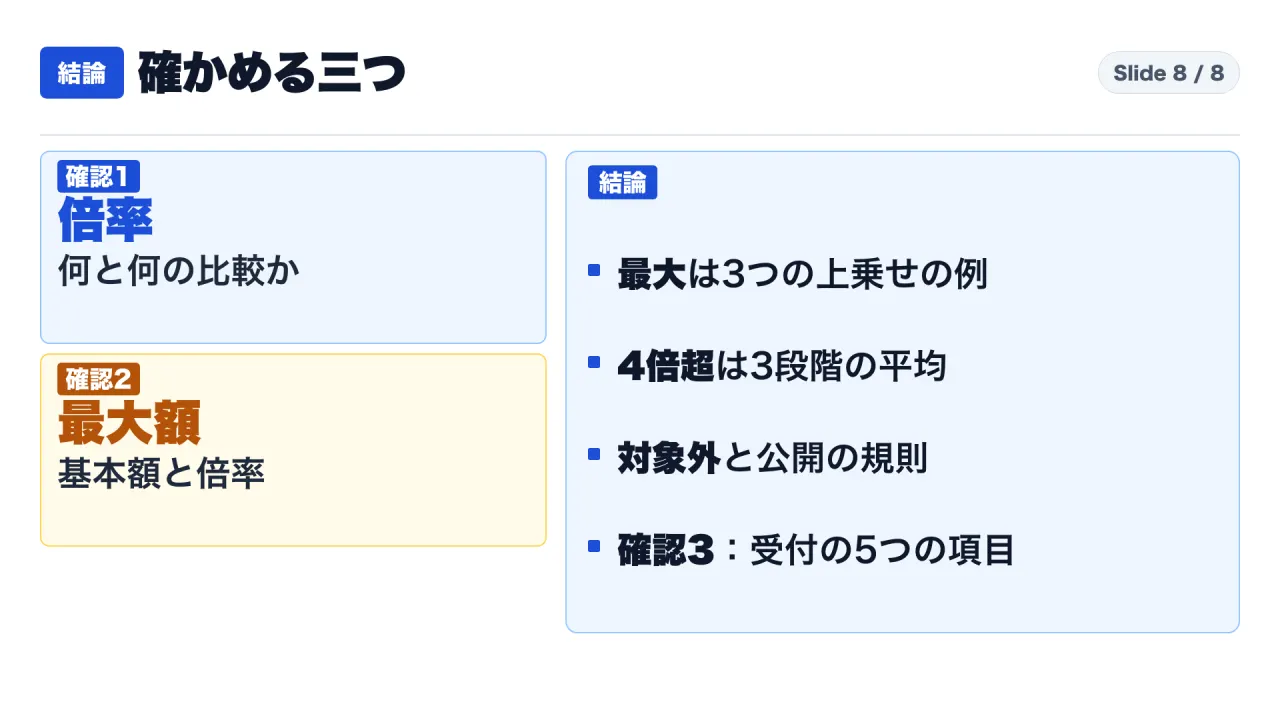
5-1. The 5 Essential CVD Clauses for Enterprise Policies
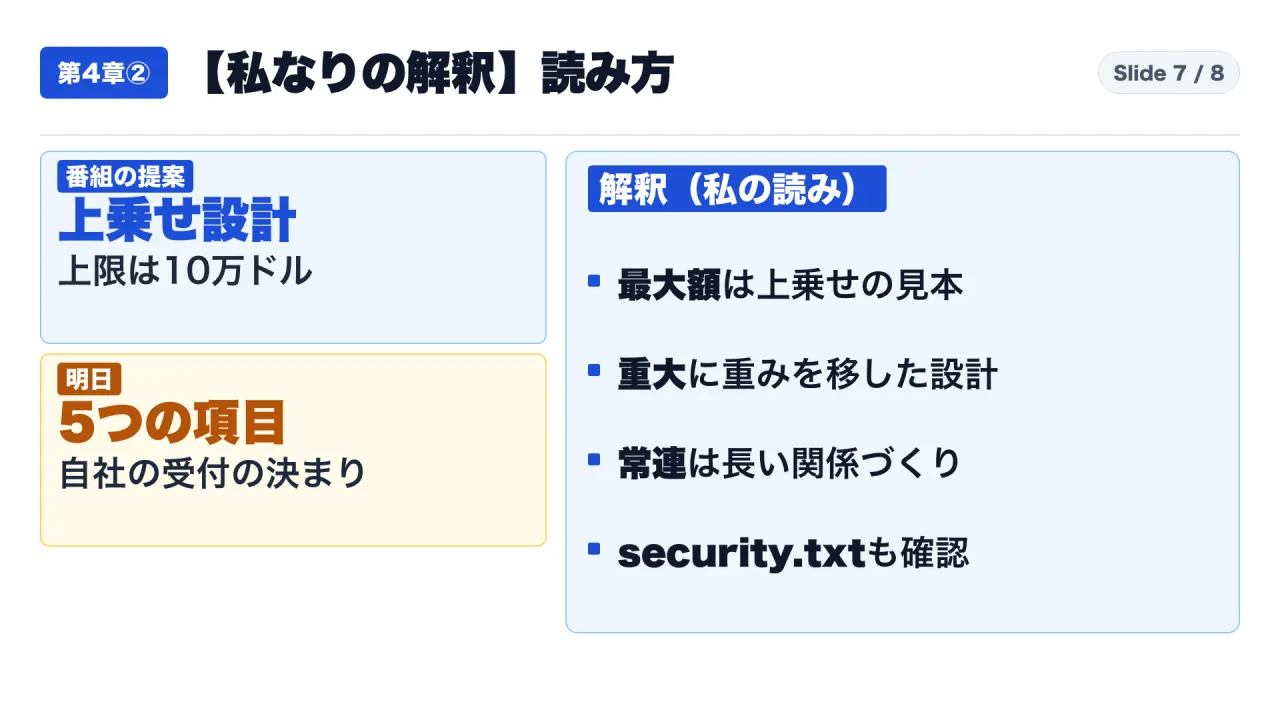
Corporate organizations deploying AI applications should incorporate five standard clauses into their public Coordinated Vulnerability Disclosure (CVD) policies:
- Designated Ingestion Channel: A clear, dedicated submission point (e.g., an encrypted web portal or PGP-secured security inbox).
- Explicit Scope and AI Boundary Definition: Precise demarcation of covered digital assets, explicitly separating application infrastructure vulnerabilities from stochastic LLM behavior.
- Severity-Tiered SLA Commitments: Standardized triage response windows (e.g., first response within 48 hours, confirmation within 5 business days).
- Coordinated Disclosure Timeline: A clear mutual embargo period (typically 90 days) ensuring engineering teams have adequate runway to deploy verified patches before public technical write-ups.
- Legal Safe Harbor Protections: Unambiguous legal commitments assuring researchers acting in good faith under program rules that the organization will not pursue civil litigation or legal enforcement.
5-2. The RFC 9116 security.txt Audit
Every enterprise hosting web services or AI endpoints should implement a validated security.txt file at /.well-known/security.txt per IETF RFC 9116:
- Mandatory
ContactDirective: Provide an accessible URI (e.g.,mailto:security@company.comorhttps://company.com/security). - Mandatory
ExpiresDirective: An ISO 8601 timestamp defining when the disclosure instructions expire. RFC 9116 recommends setting expiration intervals no longer than one year, ensuring contact details are audited annually. - Optional
PolicyandHiringDirectives: Link directly to corporate CVD terms and security career portals.
Primary Sources & References
- Bugcrowd: OpenAI Bug Bounty Policy Changelog (Nov 4, 2026 Version)
- Bugcrowd: OpenAI Bug Bounty Policy Baseline Changelog (Oct 27, 2026 Version)
- Bugcrowd: OpenAI Security Team Official Policy Announcement (Nov 3, 2026)
- OpenAI: Official Newsfeed RSS Feed (Nov 2, 2026 Disclosures)
- OpenAI: Public Announcement Post Regarding Security Sprint & Bounties
- IETF: RFC 9116 — A File Format to Aid in Security Vulnerability Disclosure
- Federal Reserve Board: Foreign Exchange Rates H.10 Current Release
Note: This article is for informational purposes only and does not constitute investment advice or a price forecast. Podcast audio is synthesized from the host’s voice.