Why Claude Personal Finance Reads 24 Months of Bank Transactions but Keeps Past Answers After Disconnection ── Inside the Plaid Integration Boundaries and Missing Retention Disclosures
A forensic analysis of Anthropic’s personal finance disclosures reveals strict read-only API boundaries and training exclusions alongside undefined data retention windows, unquantified error rates, and artifact persistence risks.
Japanese Edition: https://consuloji.substack.com/p/claude24
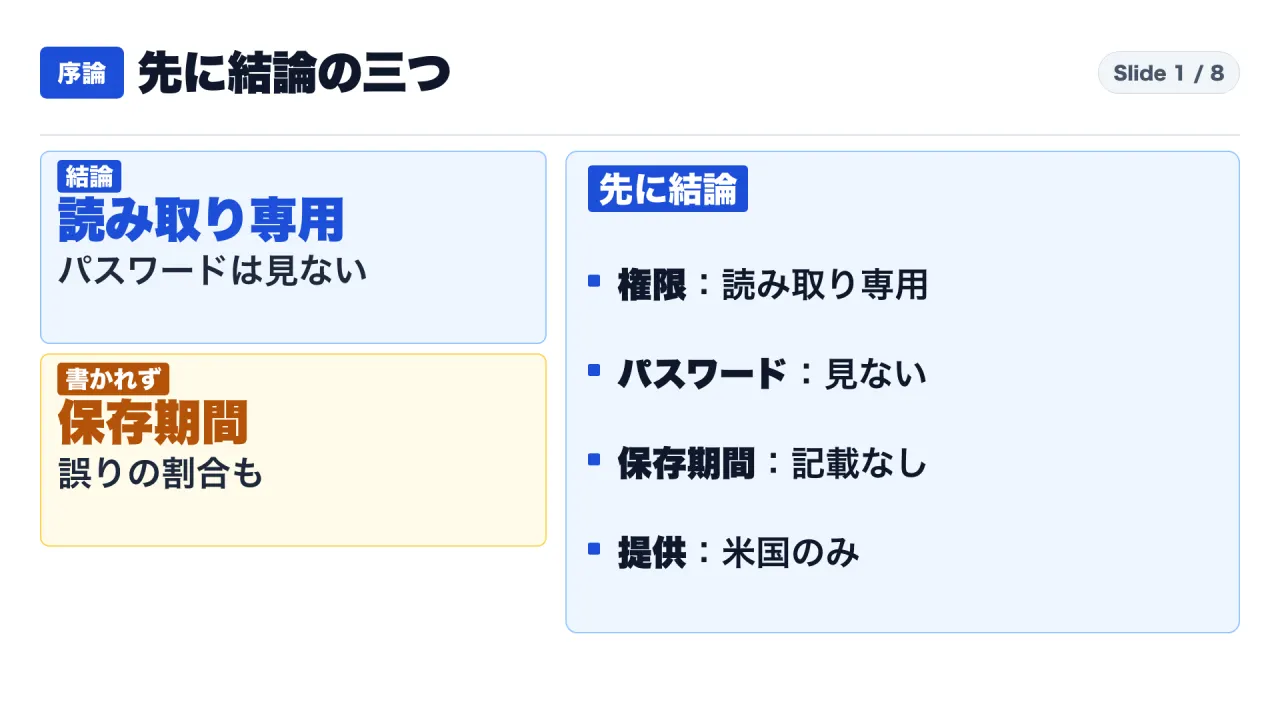
Executive Summary & Key Technical Takeaways
- Core Analytical Thesis: On November 5, 2026, Anthropic launched Personal Finance in Claude, introducing a dedicated financial hub and automated bank ingestion interface powered by financial aggregator Plaid. The feature is restricted to paid subscribers (Pro, Max, and Ultra plans) located exclusively in the United States, remaining completely inaccessible on Free, Team, and Enterprise tiers. While the architecture enforces a strict read-only perimeter—authenticating through Plaid’s OAuth enclaves so Claude never solicits, inspects, or stores banking credentials—a forensic audit of the official release documentation and support articles exposes significant structural nuances in data lifecycle governance.
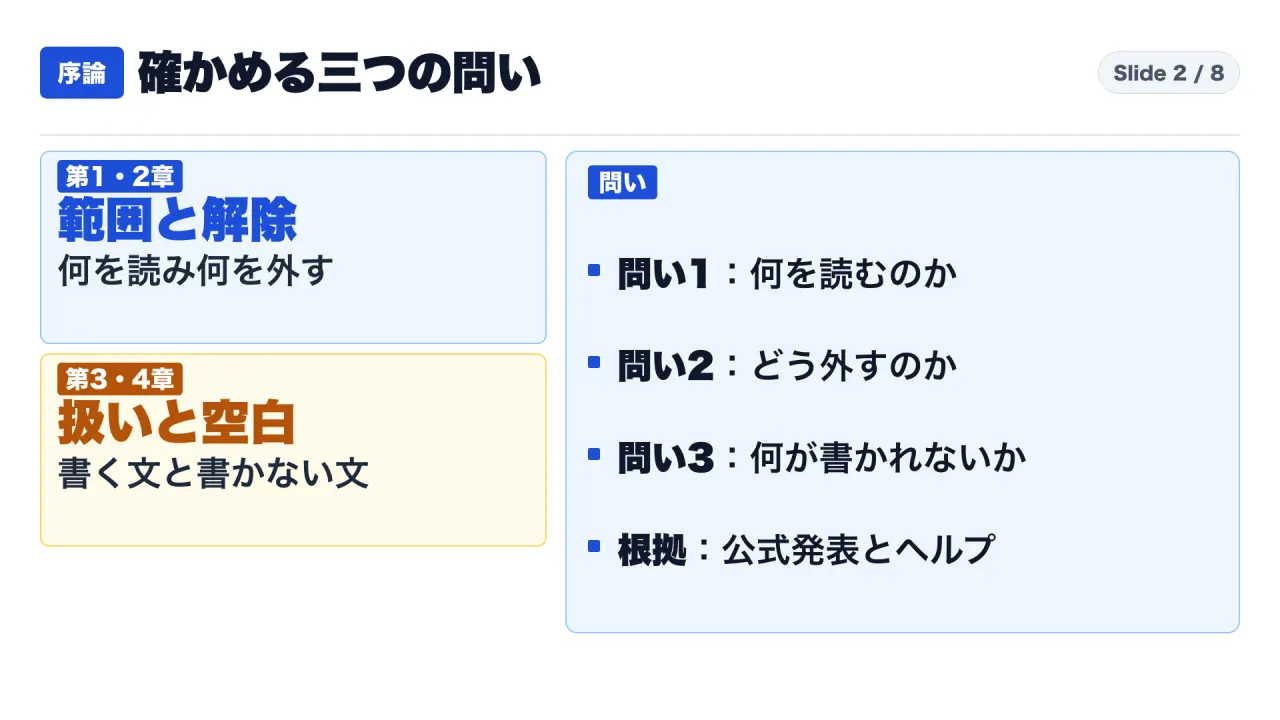
- The Ingestion vs. Persistence Architecture: Claude ingests up to 24 months of granular transaction history (amounts, dates, merchant identities, categories, and raw bank memo strings) and monitors account balances and credit limits across up to 16 financial institutions simultaneously. However, disconnecting an institution operates strictly as a revocation of future polling: while Claude ceases reading incoming bank data, all prior responses, conversational transcripts, generated artifacts, and public share links persist indefinitely until manually purged by the user.
- The Privacy and Model Training Firewalls: Conversations conducted within the dedicated Personal Finance Hub are explicitly excluded from model training, omitted from cross-session semantic memory stores, and excluded from monthly review summaries. Furthermore, Anthropic provides an explicit commercial pledge: zero advertisements, zero sponsored recommendations, and no proprietary financial credit or loan products.
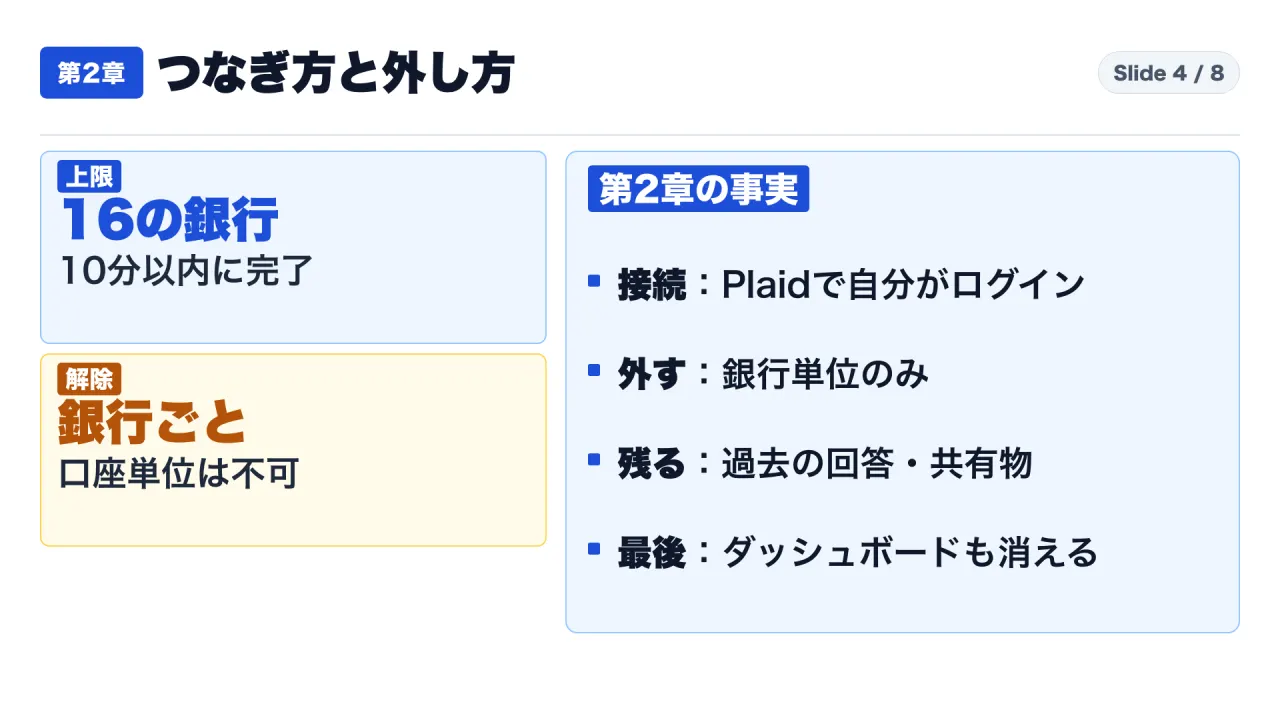
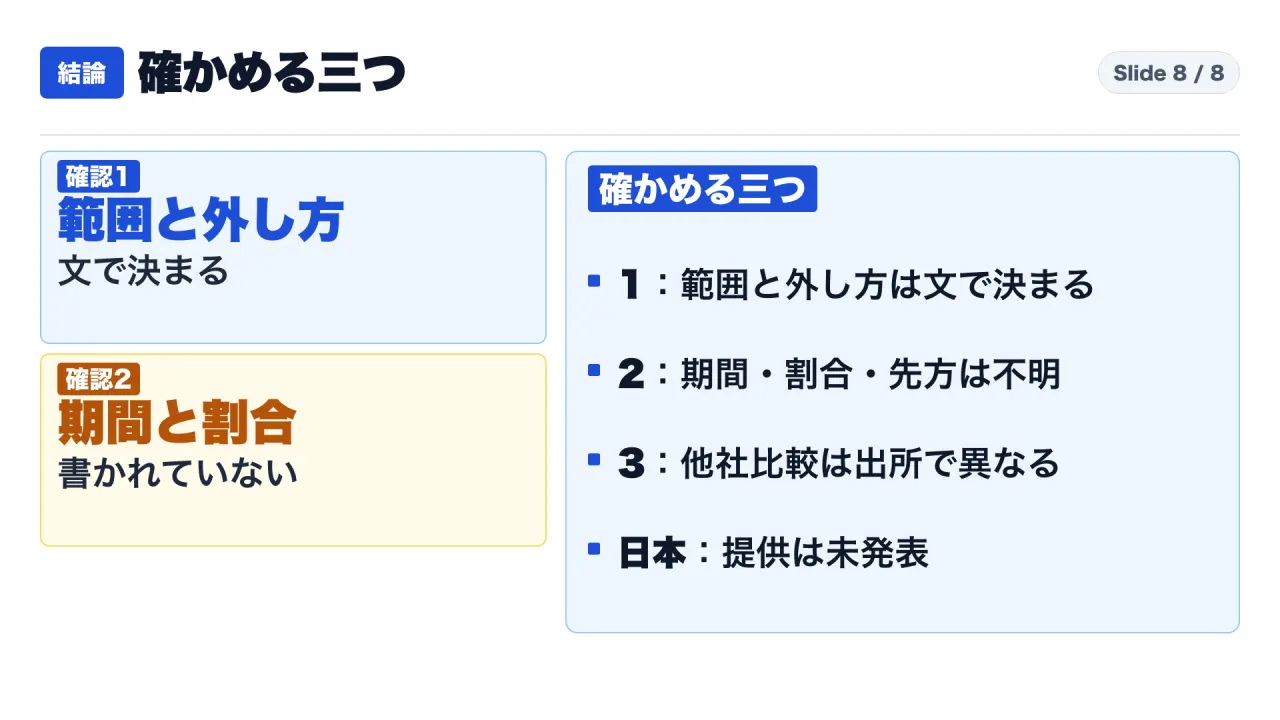
- Critical Unresolved Disclosures: Anthropic’s documentation leaves four essential enterprise questions undefined: (1) no specific numerical data retention period is committed to in writing (referencing generic retention policies, in contrast to ChatGPT’s widely reported 30-day purge window), (2) zero quantitative error rates or benchmark hallucination metrics are published, (3) Plaid’s independent third-party data custody duration is unstated, and (4) no international availability timeline exists for users in Japan or Europe.
Background & Primary Sources Verified
This investigation synthesizes and cross-examines primary technical documentation, developer help articles, and secondary industry benchmarks gathered on November 6, 2026:
- Anthropic Official Product Announcement: “Introducing Personal Finance in Claude” (published November 5, 2026). Core feature scope, plan tier eligibility, advertising policy, and security design.
- Claude Official Support & Operations Documentation: “Use Personal Finance in Claude” (retrieved November 6, 2026). Granular data ingestion fields, institution limits, Plaid authentication flows, disconnection mechanics, and memory exclusion rules.
- TechCrunch Industry Benchmark Report (Secondary Baseline): “OpenAI launches ChatGPT for personal finance” (May 15, 2026). Comparative architectural baseline covering Plaid integration, data purging cadences, and 30-day retention policies.
1. The Read-Only Financial Perimeter: Ingestion Scope and Boundary Controls
To evaluate the security profile of AI financial integrations, technical architects must examine the physical and semantic boundary separating language models from transactional banking cores.
Ingestion Protocol and Data Masking
Anthropic built Personal Finance in Claude upon Plaid, an established financial data aggregation platform. When a user activates the integration:
- The user authenticates directly inside Plaid’s encrypted iFrame or OAuth redirect flow.
- Claude never solicits, receives, inspects, or stores the user’s banking passwords, PINs, or biometric tokens.
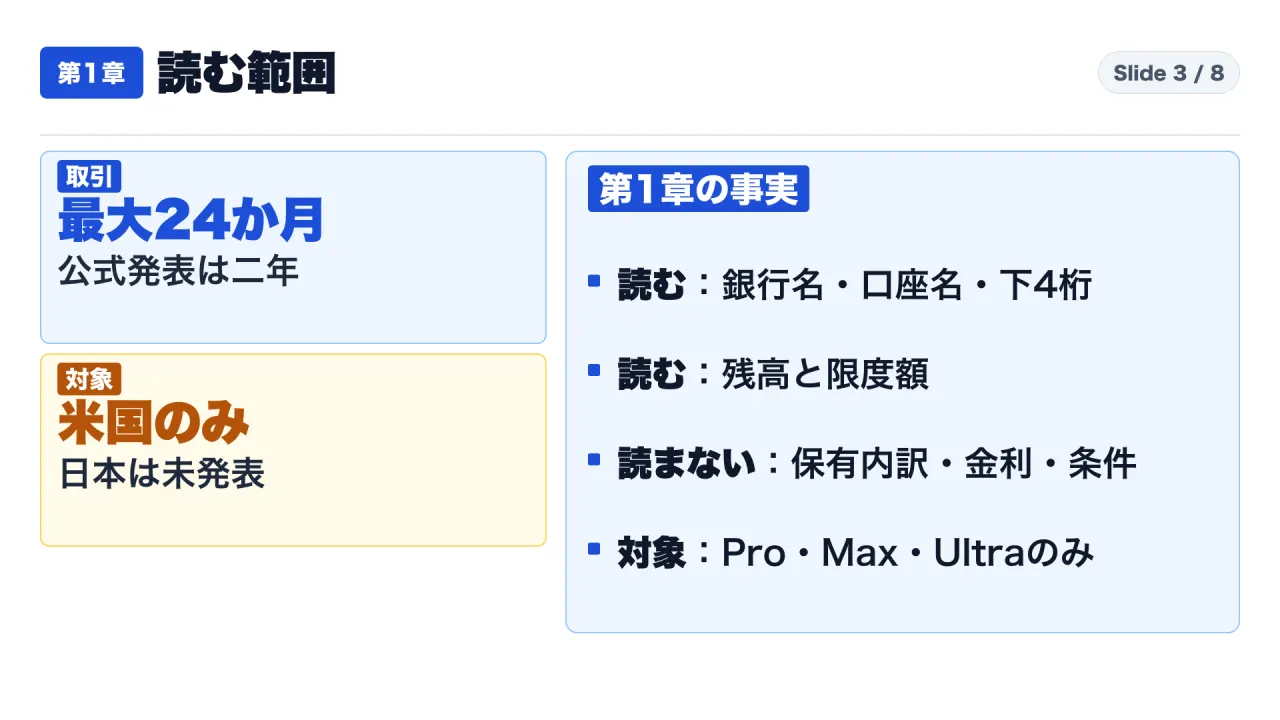
- The connection handshake must be completed within 10 minutes, after which the authorization token expires.
- Users may connect up to 16 distinct banking institutions.
[End User] ──(OAuth Login)──> [Plaid Encrypted Enclave] ──(Bank API)──> [Financial Institutions]
                                        │
                                        ▼ Tokenized Read-Only Payload
                              [Claude Personal Finance Hub]
                              • 24-Month Transaction History
                              • Account Balances & Credit Limits
                              • Masked Account Strings (Last 4)
                              • Excluded from Foundation Training
Granular Ingestion vs. Excluded Financial Fields
The support documentation defines the precise data schema ingested by Claude’s context window:
| Financial Data Dimension | Ingested by Claude | Excluded / Masked by Architecture | Technical and Compliance Reality |
|---|---|---|---|
| Banking Credentials | No (0%) | Passwords, PINs, Security Questions | Authentication occurs exclusively inside Plaid enclaves |
| Account Identification | Bank name, account nickname, type | Full account numbers masked to last 4 digits | Masked by Plaid; unmasked numbers can leak if printed in bank memo strings |
| Transaction Records | Up to 24 Months | Historical data exceeding 24 months | Captures amount, ISO date, merchant name, category, and raw memo strings |
| Balances & Credit Limits | Current balances, available credit | Real-time pending settlement updates | Balances may lag banking cores by 1 to 2 business days |
| Investment Portfolios | Top-line cash balances only | Holdings, individual tickers, trade executions | No access to individual equity, ETF, or mutual fund position data |
| Loan & Mortgage Terms | Total outstanding balance only | Interest rates, amortization tables, covenants | Model cannot verify APR calculations or early repayment penalties |
A critical edge case documented in the support documentation concerns account masking: while Plaid explicitly truncates core account numbers to the final four digits, if a financial institution includes full account identifiers within transaction memo strings or custom account descriptions, those unmasked strings will be passed into Claude’s prompt context.
2. Disconnection vs. Deletion: The Structural Persistence of Financial Artifacts
The most significant architectural nuance in the documentation concerns the technical distinction between “disconnecting a bank” and “deleting financial data.”
Institution-Level Disconnection
Disconnection operates exclusively at the institution level. If an enterprise user connects a commercial banking relationship containing checking, payroll, credit, and money-market accounts, it is impossible to disconnect an individual account in isolation. Severing the connection severs all accounts associated with that institutional login.
Furthermore, disconnecting an institution functions strictly as a cessation of future data polling:
- Claude immediately halts real-time synchronization with that bank.
- However, all prior conversational responses, analytical breakdowns, budget spreadsheets, and generated artifacts containing that institution’s data remain permanently stored in the user’s chat history.
Disconnection Lifecycle Dynamics
┌─────────────────────────────────────────────────────────────┐
│ Action: User Disconnects Banking Institution                │
├─────────────────────────────────────────────────────────────┤
│ • Future Syncing: Terminated immediately                    │
│ • Existing Chat Transcripts: Retained until manual deletion │
│ • Generated Artifacts (CSV/Budgets): Retained indefinitely │
│ • Public Share Links: Retained and accessible to URL holders│
└─────────────────────────────────────────────────────────────┘
Dashboard Initialization and Plan Termination
- The Final Disconnection Reset: When a user unlinks the final remaining financial institution, Claude’s Personal Finance dashboard is permanently reset. Configured widgets, budget thresholds, spending targets, and initial analytical outputs are deleted and cannot be recovered upon subsequent reconnection.
- Subscription Expiration State: If an active Pro or Max subscriber cancels their plan, access to the Personal Finance Hub is locked, and conversational prompts in standard chat windows can no longer query banking balances. However, the underlying Plaid connection token remains active in storage until the user manually logs into Plaid’s management portal or reactivates their subscription.
- Account Deletion Cascade: Initiating full Anthropic account deletion schedules the automatic detachment and unlinking of all banking tokens following standard account termination processing.
3. Privacy, Training Guarantees, and Shared Surfaces
Given the sensitive nature of financial transaction data, Anthropic implemented structural isolation boundaries between the Personal Finance Hub and general conversational environments.
Model Training Exclusion Boundaries
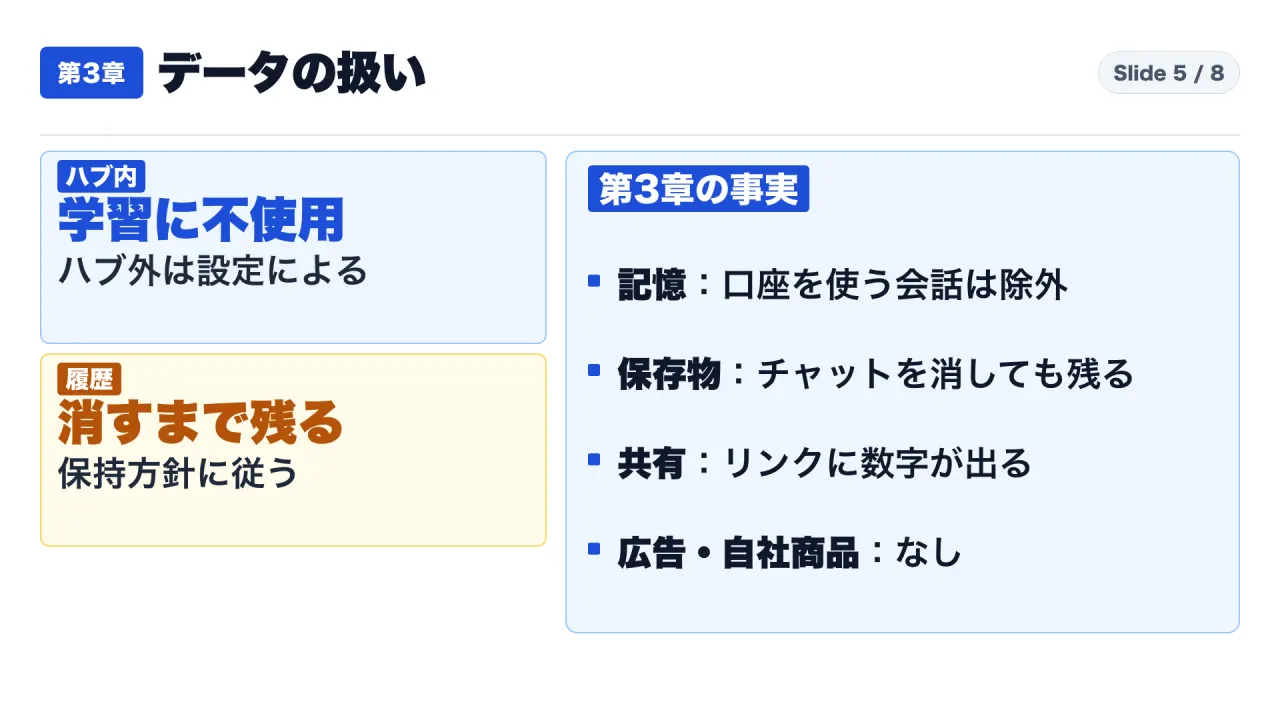
The official release documentation provides an explicit guarantee: conversations, financial queries, and transaction tables processed inside the Personal Finance Hub are strictly excluded from model training.
However, documentation governing financial interactions initiated outside the Hub introduces notable nuance:
- Users can query financial data directly within standard conversational threads.
- In standard threads, data governance defaults to the account’s broader workspace privacy configurations.
- For enterprise compliance officers, determining whether standard chat threads enjoy the same training exclusion guarantees as the dedicated Hub requires auditing workspace-level data retention settings.
Memory Systems and Public Artifact Exposure
The integration architecture implements three distinct data boundary policies:
- Semantic Memory Exclusion: Banking balances and transaction logs processed by Claude are permanently excluded from cross-session semantic memory stores. The model will not recall account balances in future unrelated sessions, and financial transactions are excluded from automated monthly memory reviews.
- Artifact Exposure Risks: When users instruct Claude to compile spending analyses into interactive artifacts (such as HTML budgets, SVG charts, or CSV models), those artifacts decouple from the chat thread. Even if a user deletes the parent conversation, generated artifacts persist in the workspace until individually deleted.
- Public Sharing Warnings: Support documentation explicitly notes that if a user generates a public share link for a conversation or artifact containing financial calculations, the underlying financial figures, merchant names, and balances become visible to anyone possessing the link.
Advertising and Commercial Product Pledges
Anthropic establishes a firm commercial boundary in its announcement:
- Zero targeted advertising.
- Zero sponsored merchant recommendations.
- Zero proprietary financial products (Anthropic explicitly pledges not to cross-sell branded credit cards, personal loans, or high-yield savings accounts).
Crucially, the documentation does not commit to never recommending third-party financial services or institutional partners.
4. What the Official Documentation Leaves Undefined
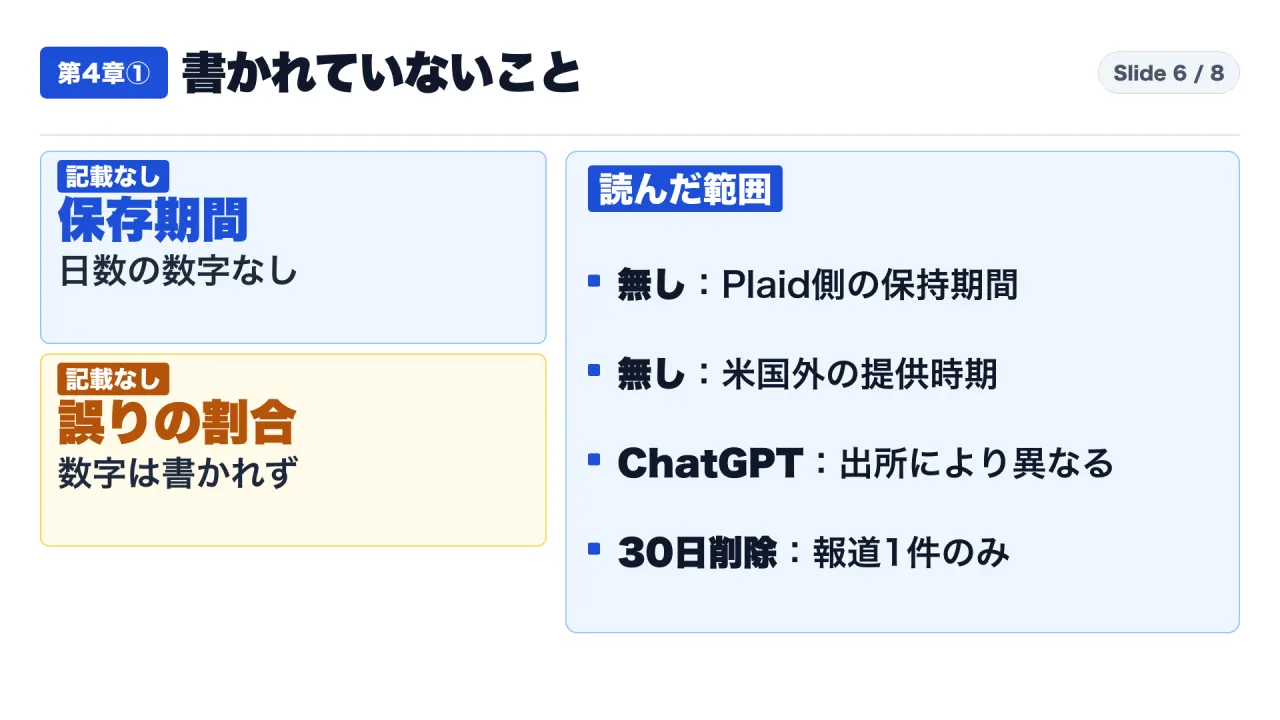
A forensic reading of Anthropic’s disclosures reveals four significant gaps where operational specifics are omitted.
The Undocumented Operational Ledger: Critical Unresolved Boundaries
┌─────────────────────────┬──────────────────────────┬─────────────────────────┐
│ Operational Dimension   │ Documented Policy        │ Undefined Reality       │
├─────────────────────────┼──────────────────────────┼─────────────────────────┤
│ Data Retention Period   │ "Subject to retention    │ Zero numerical commit   │
│                         │ policy"                  │ (vs. ChatGPT 30-day)    │
├─────────────────────────┼──────────────────────────┼─────────────────────────┤
│ Calculation Error Rate  │ "Claude may make errors" │ Zero published accuracy │
│                         │ Verify with bank core    │ or hallucination metric │
├─────────────────────────┼──────────────────────────┼─────────────────────────┤
│ Plaid Custody Duration  │ "Governed by Plaid terms │ Zero commitment on third│
│                         │ and privacy policy"      │ party data purge cycles │
├─────────────────────────┼──────────────────────────┼─────────────────────────┤
│ International Access    │ Available exclusively in │ Zero timeline for Japan │
│                         │ the United States        │ or European rollouts    │
└─────────────────────────┴──────────────────────────┴─────────────────────────┘
1. The Undefined Data Retention Duration
The documentation states that stored financial data is governed by Anthropic’s general data retention policy, providing a link to general legal terms without specifying a concrete numerical retention window. This contrasts with secondary reporting on competitor architectures; for example, TechCrunch’s May 15, 2026 coverage of ChatGPT’s personal finance preview reported an explicit 30-day automated data purge cycle following connection severance. Claude’s documentation commits to no equivalent day-count purge.
2. Missing Quantitative Accuracy Benchmarks
Anthropic includes standard disclaimers noting that the model can make computational errors, recommending that users independently verify figures against official banking statements. However, the release provides zero quantitative accuracy benchmarks, benchmark reconciliation error rates, or categorization precision scores.
The documentation highlights three known operational failure modes:
- Balance Latency: Displayed balances may lag real-world banking ledgers by 1 to 2 business days.
- Double Counting: If a user connects the same joint account through two separate institutional logins, transactions may be duplicated in aggregate calculations.
- Aggregation Blind Spots: Unreadable or unsupported institutions are silently omitted from spending totals.
3. Plaid’s Third-Party Data Custody
While Anthropic’s internal handling is bounded by its support documentation, the documents clarify that Plaid stores and processes user data in accordance with Plaid’s independent privacy policies. The duration of historical caching on Plaid’s servers remains unstated in Claude’s documentation.
4. Geographic Exclusivity
The feature is restricted to US accounts. Support documentation notes that non-US IP addresses and accounts will not see the interface. No rollout schedule is provided for international jurisdictions, including Japan, the UK, or the European Union.
5. Enterprise Procurement Framework: 5 Invariants for Financial AI Integrations
For engineering leaders, compliance officers, and IT architects evaluating consumer AI integrations that touch financial APIs, Anthropic’s release provides a clear template for corporate governance.
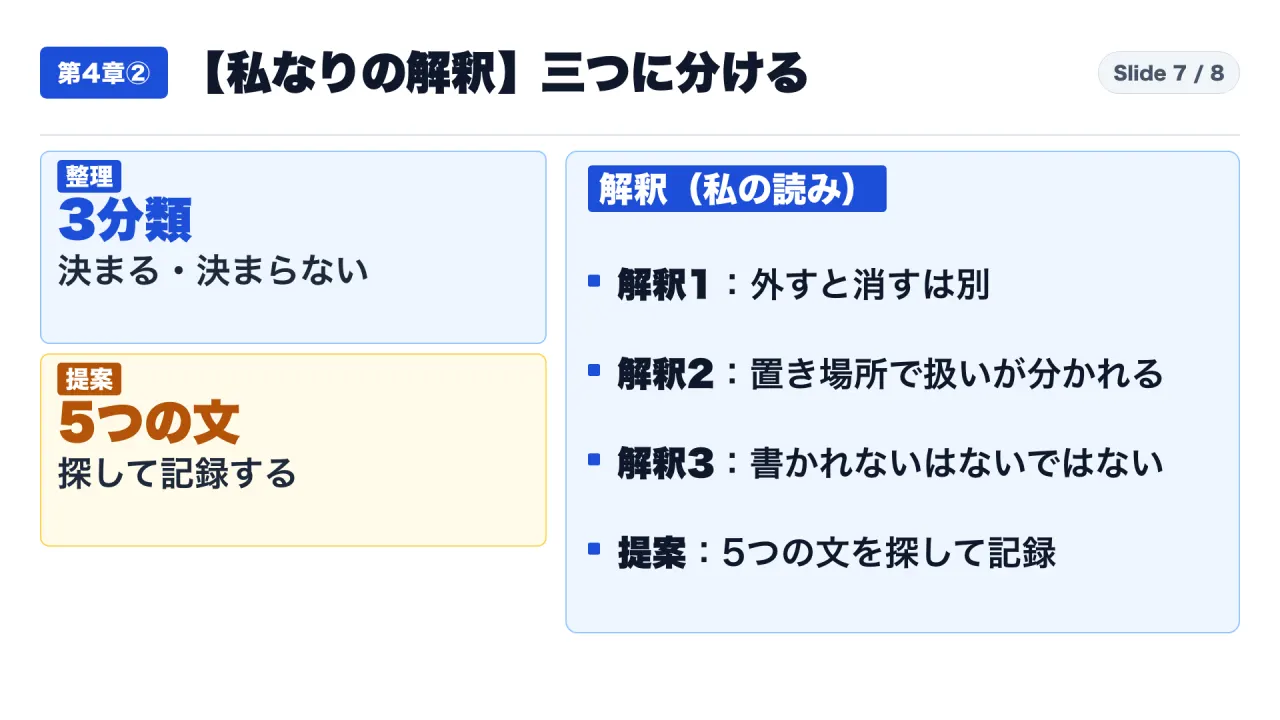
Five Mandatory Verification Invariants for Enterprise AI Procurement
┌─────────────────────────────────────────────────────────────┐
│ 01. Ingestion Boundary Clause                               │
│ Audit exact fields: verify masking of PII and account tokens│
├─────────────────────────────────────────────────────────────┤
│ 02. Disconnection vs. Deletion Governance                   │
│ Mandate automated purging of historical transcripts/artifacts│
├─────────────────────────────────────────────────────────────┤
│ 03. Explicit Retention Commitments                          │
│ Require binding numerical day limits (e.g., 30-day purge)   │
├─────────────────────────────────────────────────────────────┤
│ 04. Model Training Firewall Auditing                        │
│ Cryptographically verify that financial prompts bypass RLHF │
├─────────────────────────────────────────────────────────────┤
│ 05. Third-Party Aggregator Mapping                          │
│ Map data custody timelines across intermediary processors   │
└─────────────────────────────────────────────────────────────┘
Practical Enterprise Governance Steps
- Verify Ingestion Boundaries in Writing: Never rely on promotional claims. Ensure API contracts define the exact schema passed to the model, verifying whether account identifiers and transaction descriptions undergo automated masking before context serialization.
- Enforce Downstream Artifact Deletion: Disconnecting an API token is insufficient. Corporate security policies must mandate that when a user revokes banking access, all associated conversational logs, generated spreadsheets, and public sharing endpoints are purged via automated webhook routines.
- Demand Contractual Retention Timelines: Require vendors to commit to explicit numerical data retention schedules in service level agreements (SLAs), preventing indefinite storage of sensitive transaction histories under ambiguous general policies.
- Audit Training Isolation Firewalls: Ensure administrative settings enforce strict training exclusions across all conversational interfaces, preventing sensitive accounting data from entering reinforcement learning feedback loops.
- Audit Intermediary Aggregator Policies: Map the entire data custody chain. Evaluate the data handling, encryption, and retention policies of third-party aggregation layers (such as Plaid) alongside the primary AI vendor’s commitments.
6. Actionable Takeaways: Three Implementation Steps for Financial System Architects
To deploy AI-driven financial workflows safely, technical teams should execute three immediate operational steps:
- Conduct an Artifact and Share-Link Audit:
- Immediately review active workspaces for shared links derived from financial analysis threads.
- Revoke public URLs and delete orphan artifacts containing raw transaction extracts to prevent credential or balance leakage.
- Establish Manual Reconciliation Controls for Critical Accounting:
- Because displayed balances can lag banking cores by up to 48 hours and duplicate entries across shared logins, never utilize AI outputs as primary accounting records for tax, payroll, or regulatory filings.
- Always reconcile aggregate AI calculations against authoritative bank ledger exports.
- Formulate Corporate Policies for Personal Banking Integrations:
- If employees access personal AI accounts on corporate managed devices, establish clear policy guidelines regarding the connection of personal financial accounts.
- Ensure local browser caches and MDM telemetry monitoring do not inadvertently capture sensitive banking summaries generated within the interface.
Primary Sources & Reference Links
- Anthropic Official Product Announcement: Introducing Personal Finance in Claude (November 5, 2026)
- Claude Official Help & Operations Center: Use Personal Finance in Claude (November 2026)
- TechCrunch Financial Technology Reporting: OpenAI Launches ChatGPT for Personal Finance (May 15, 2026)
This article analyzes primary technical and financial disclosures for informational purposes only and does not constitute investment advice.