Why Autonomous Coding Agents Only Spend 23% of Time Writing Code ── And How 3-Tier Model Specialization Cuts Engineering Costs by 74%
Data from 1,000 global enterprises reveals that 77% of agent workloads are consumed by research, builds, and test loops, making multi-tier orchestration across Meta’s Muse Ember, Cognition’s SWE-2 Flash, and Claude Fable 5.2 economically imperative.
Published: November 12, 2026 | Read time: ~10 min | Watch Video (Japanese)
Executive Summary: The 23% Reality and the 3-Tier Economic Imperative
Across enterprise engineering organizations, the initial rollout of autonomous coding agents has created severe operational friction. Monthly inference expenditures compound rapidly, while technical teams observe agents stalling: models looping repeatedly on dependency resolution, traversing sprawling codebases, or idling during automated test runs.
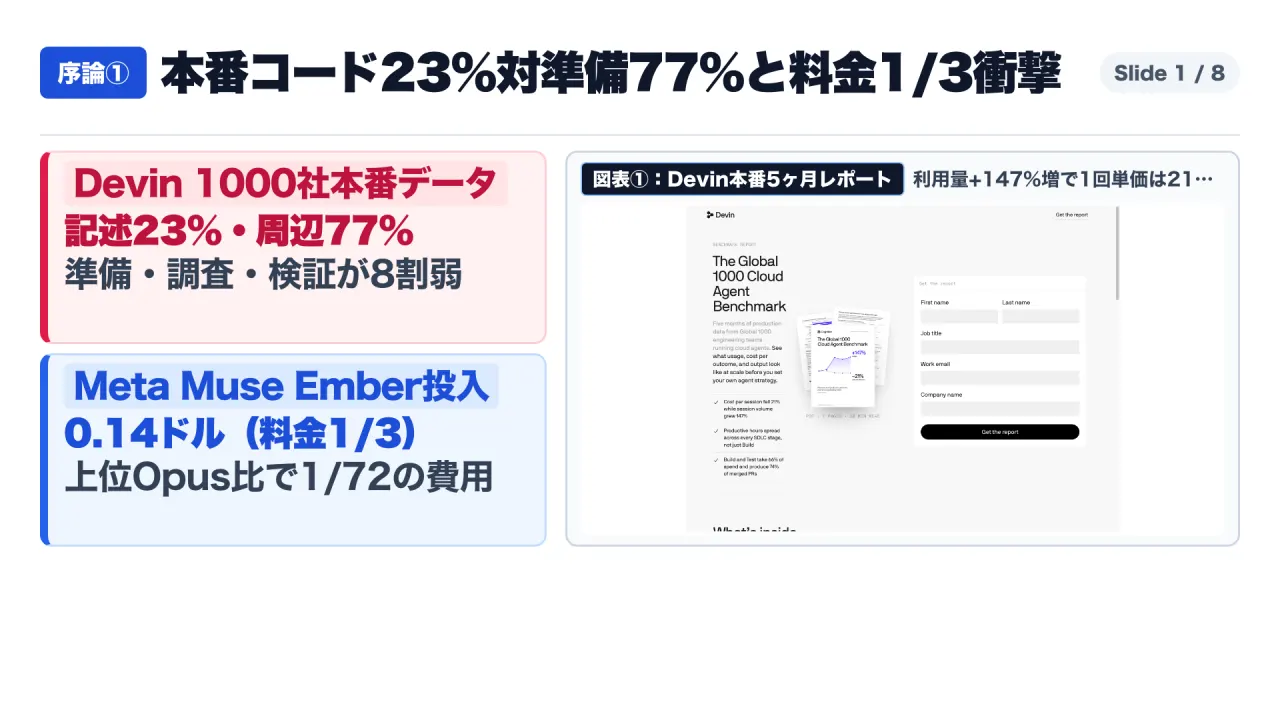
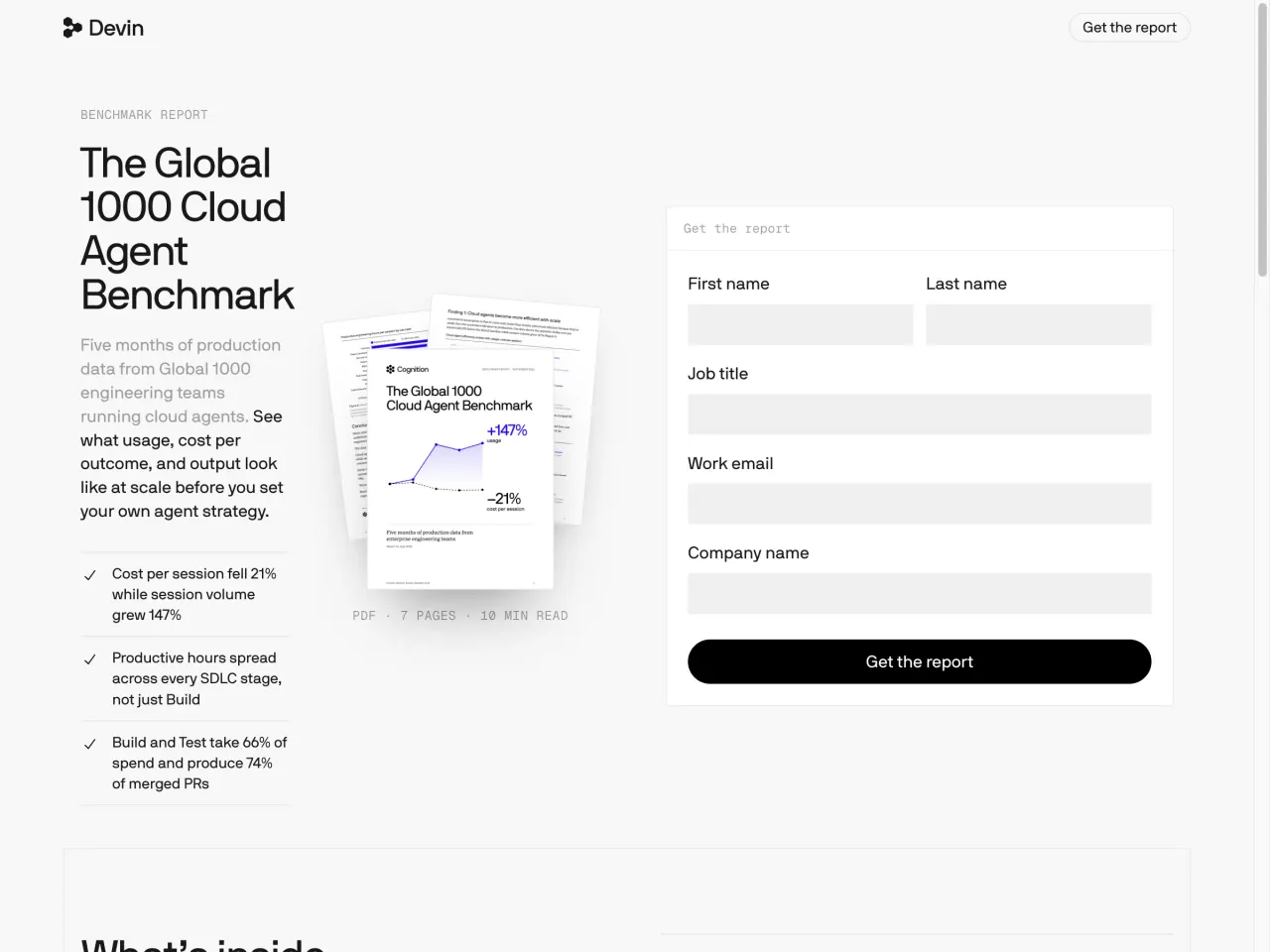
The underlying operational driver has been empirically quantified. In November 2026, Cognition, creator of the autonomous software engineer Devin, published The Global 1000 Cloud Agent Benchmark (Devin Benchmark Report, TLDR AI Coverage). Drawing from five consecutive months of telemetry across 1,000 enterprise teams, the study established a fundamental reality: autonomous agents spend only 23% of active compute generating application code. The remaining 77% is consumed by peripheral software development lifecycle (SDLC) stages──system planning, environment provisioning, context discovery, test execution, security validation, and deployment.
Routing this peripheral 77% to flagship frontier models priced at $10.00 to $50.00 per million tokens represents an unsustainable misallocation of compute budgets. In November 2026, the ecosystem introduced three specialized architectural tiers to resolve this economic bottleneck:
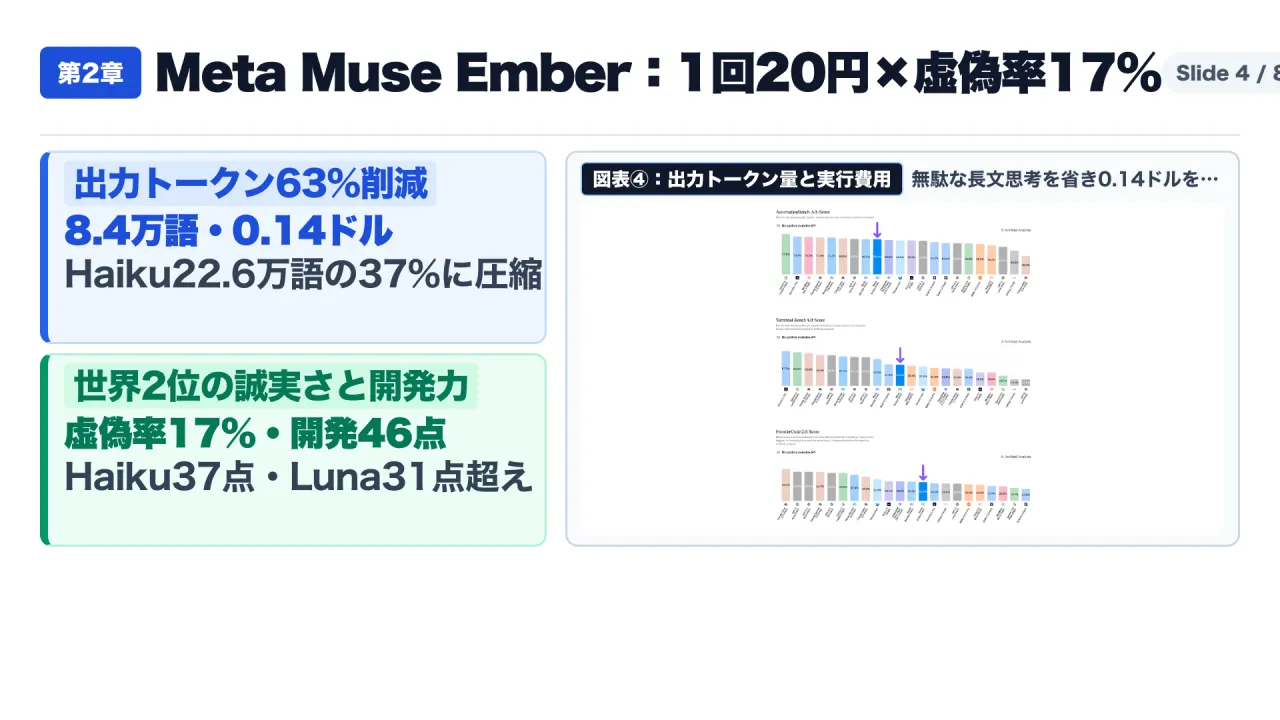
- Meta Muse Ember: A lightweight reasoning model achieving $0.14 per completed task (roughly one-third the cost of Claude Haiku 5.5 and 1/72 of Claude Opus 5.5). Muse Ember demonstrates an omniscience hallucination rate of 17% (ranking second globally) and scores 46 on the Coding Agent Index, making it optimal for context discovery and tool orchestration.
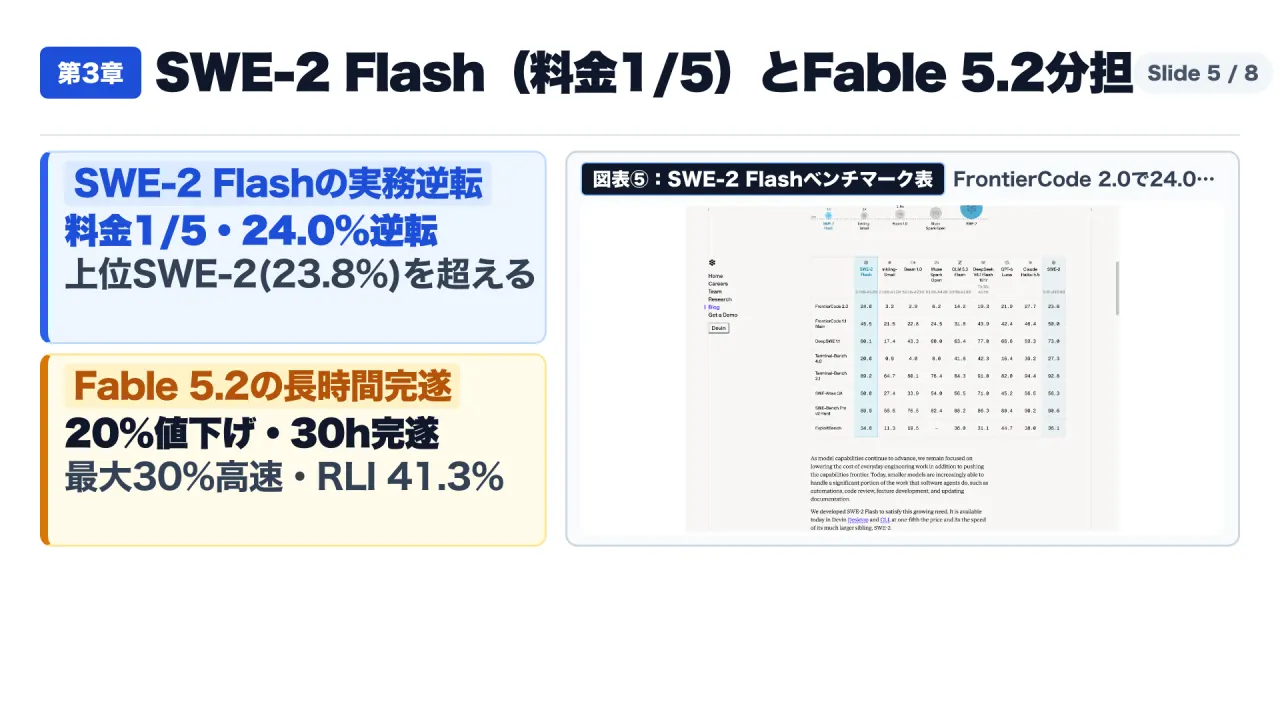
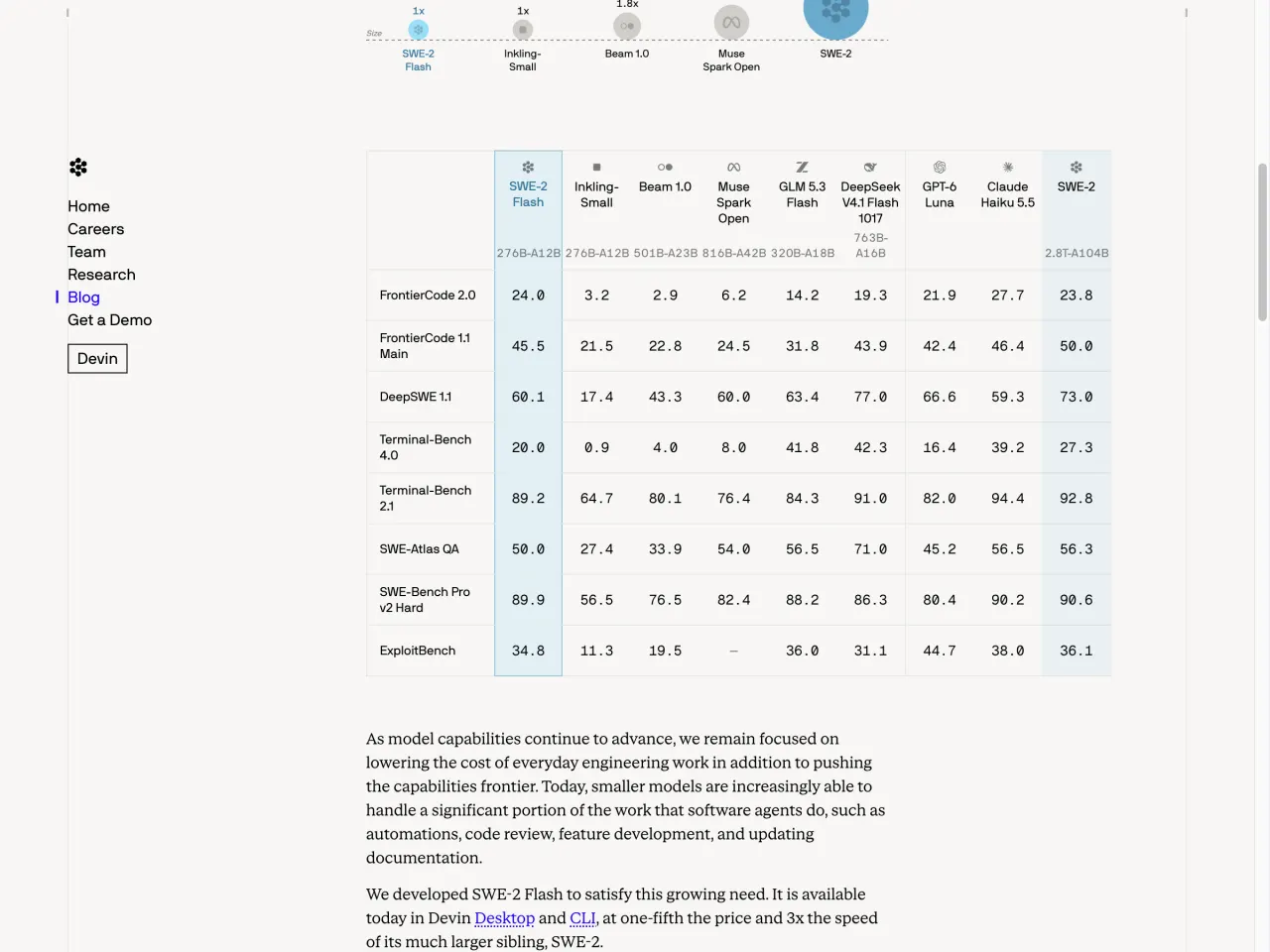
- Cognition SWE-2 Flash: An agentic coding specialist operating at one-fifth the price and 3x the speed (200 tokens per second) of flagship SWE-2. On FrontierCode 2.0, SWE-2 Flash scores 24.0%, surpassing both SWE-2 (23.8%) and GPT-6 Luna (21.9%). Cognition’s postmortem reveals that auditing task instructions, environment configurations, and deterministic verifiers drove these gains far more effectively than hyperparameter adjustments.
- Claude Fable 5.2, OpenRouter Auto Code, and Google TPU 8i Max: Frontier architectures are reserved for the top 9% of complex engineering bottlenecks. Anthropic lowered Fable 5.2 pricing by 20% while achieving 100% completion on a 30-hour formal proof of Fermat’s Last Theorem. OpenRouter’s Auto Code routes agent queries to cut blended expenditures by 74% while preserving prompt cache stickiness across 9 of 10 consecutive turns. At the silicon tier, Google’s TPU 8i Max delivers 17.2 TB/s memory bandwidth and TPU Sync to distribute multi-agent key-value caches with minimal latency.
1. Deconstructing the 23% vs. 77% Split: 5 Months of Telemetry Across 1,000 Enterprises
Enterprise evaluation of coding models historically focused on isolated completion benchmarks. However, autonomous agents in live enterprise repositories encounter legacy dependencies, distributed microservices, missing documentation, and stringent CI suites.
The Production Breakdown of Agentic Labor
Cognition tracked agent compute allocation (in Agent Compute Units, or ACUs) across Global 1000 engineering teams between June 2026 and November 2026. The telemetry establishes:
- Active Code Generation (23%): Syntax modifications, drafting new functional modules, writing unit tests, and refactoring interfaces.
- SDLC Peripheral Phases (77%):
- Plan and Design: Ingesting tickets, clarifying ambiguous requirements, and formulating execution plans.
- Environment Setup: Bootstrapping containerized runtimes, downloading package trees, resolving dependency conflicts, and configuring mocks.
- Context Gathering: Traversing directory trees, executing semantic code searches, reading pull requests, and inspecting API contracts.
- Automated Testing (Test): Executing local test harnesses, parsing stack traces, and re-running failed suites.
- Security Verification (Secure): Scanning diffs for exposed secrets and static analysis rule violations.
- Deployment and CI (Deploy): Handling git rebasing, creating pull requests, addressing merge conflicts, and monitoring CI webhooks.
Build and Test Dominance
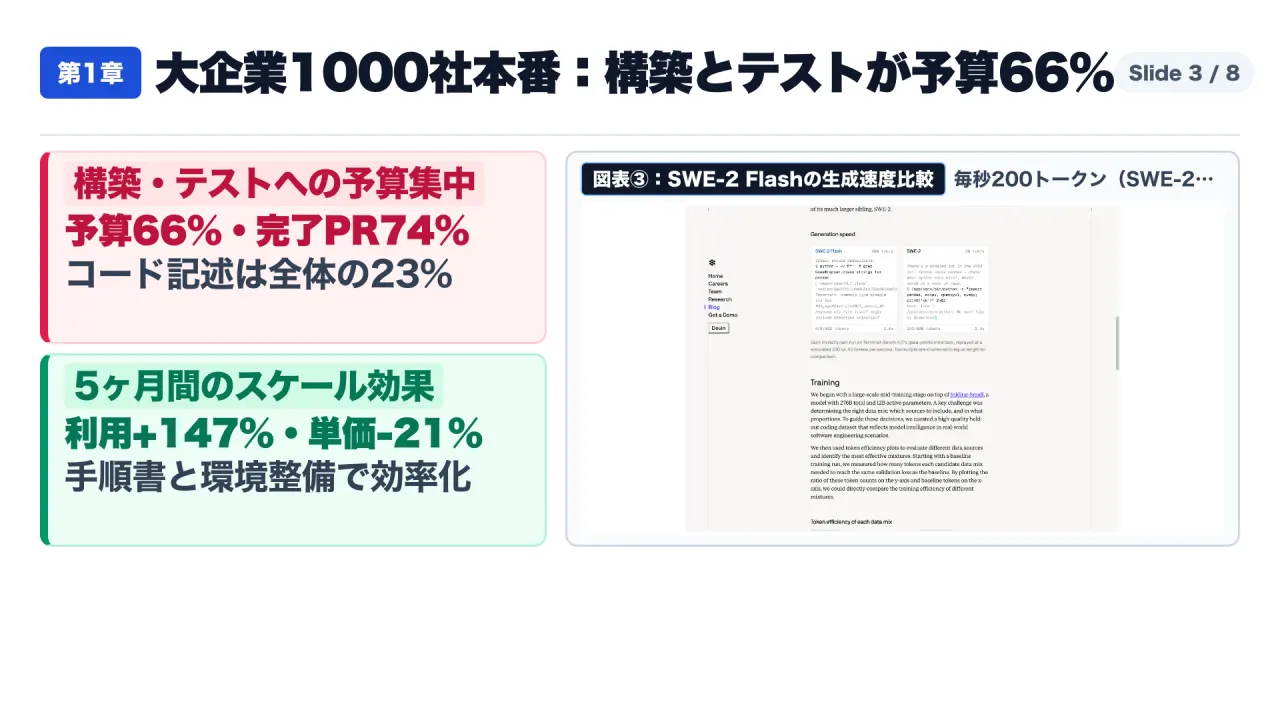
Within this 77% peripheral envelope, Build and Test represent the primary economic drivers:
- 66% of Total ACU Spend: Build and Test actions account for two-thirds of compute consumption.
- 74% of Merged Pull Requests: These two phases directly drive three-quarters of all production-accepted changes.
- The Efficiency Inversion (+147% Sessions, -21% Cost): Organizations that formalized human playbooks and pre-warmed dev environments achieved a 147% surge in monthly session volume while decreasing the average cost per completed session by 21%.
Standardizing environments and build scripts eliminates token waste before code generation begins.
2. Meta Muse Ember: Slashing Task Costs to $0.14 with 17% Hallucination Rates
Deploying a $10.00-per-million-token flagship model across file traversal and command execution creates massive cost overruns. To optimize this layer, Meta Superintelligence Labs introduced Muse Ember (Meta Research).
Architectural Specifications and Empirical Pricing
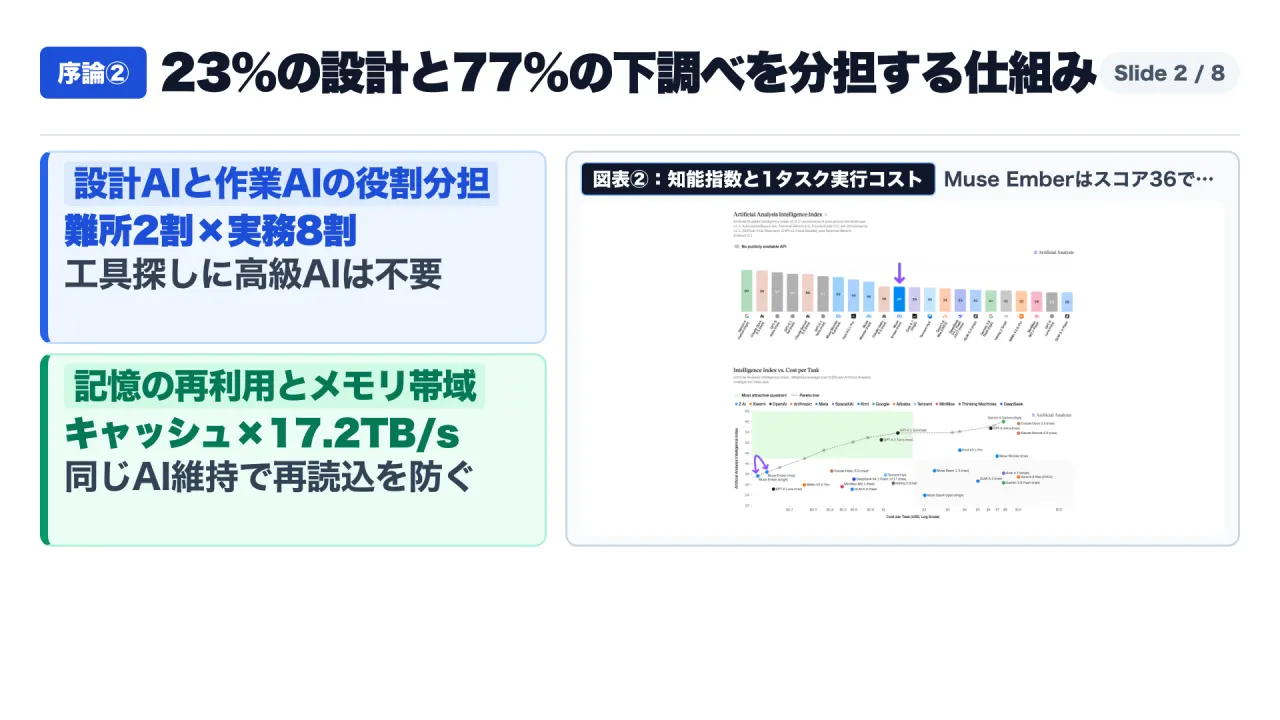
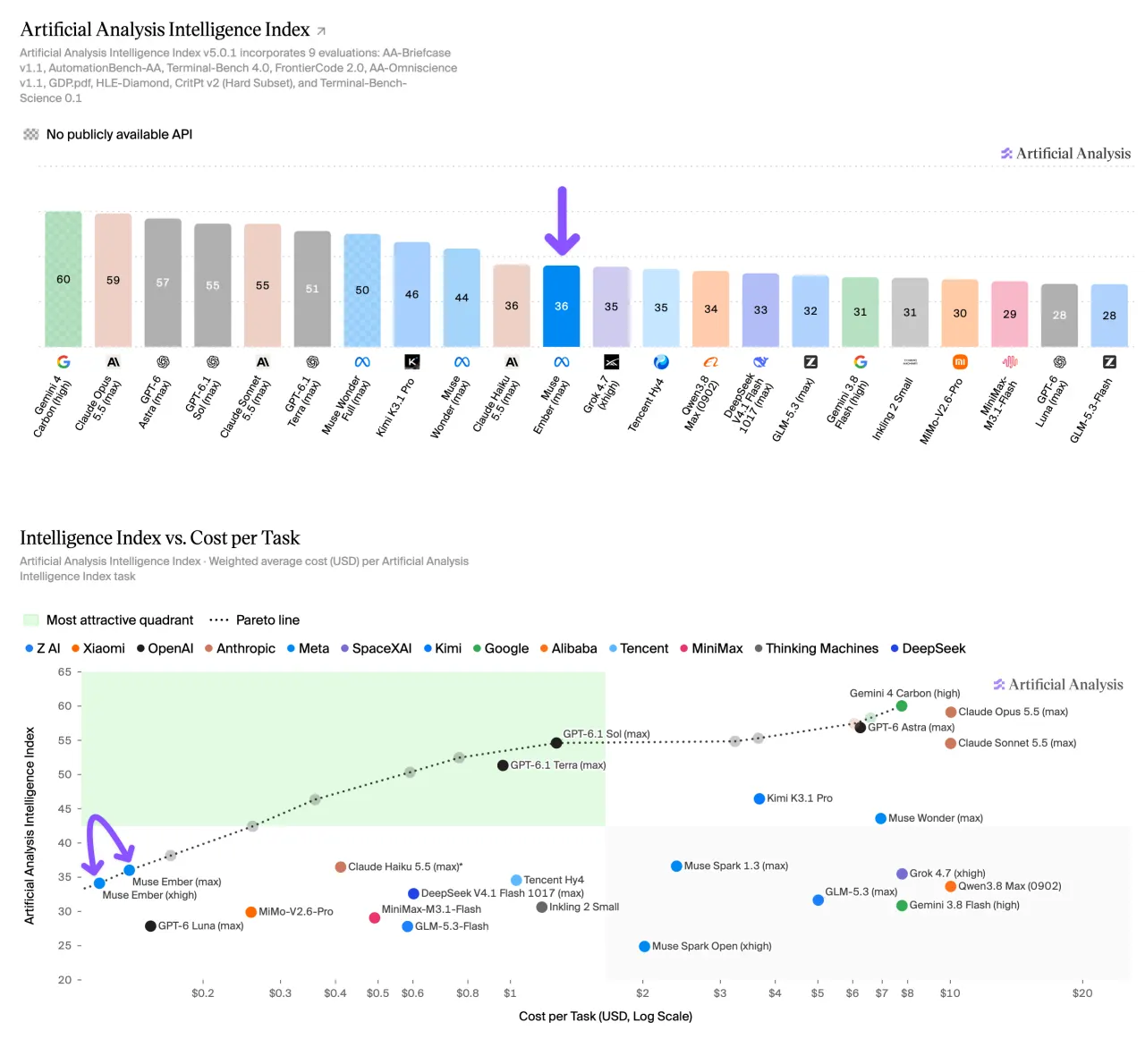
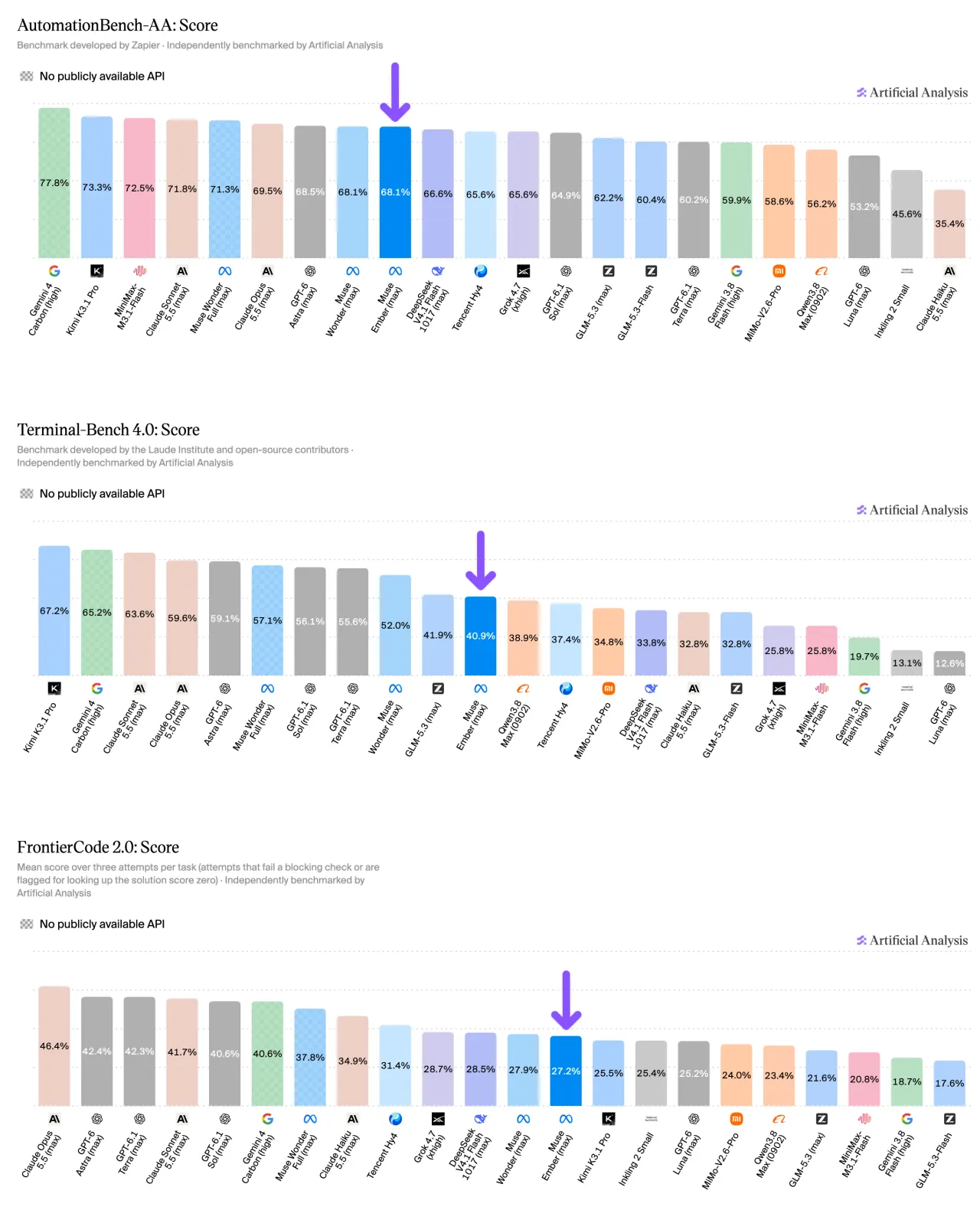
Evaluated independently by Artificial Analysis on their Intelligence Index (v5.0.1), Muse Ember establishes a new Pareto efficiency benchmark:
| Architectural Metric | Meta Muse Ember | Claude Haiku 5.5 | Claude Opus 5.5 |
|---|---|---|---|
| Context Window / Max Output | 256K / 128K tokens | 200K / 8K tokens | 200K / 32K tokens |
| Input Price (per 1M tokens) | $0.10 | $0.25 | $5.00 |
| Output Price (per 1M tokens) | $0.40 | $1.25 | $25.00 |
| Cached Input Price (per 1M tokens) | $0.015 | $0.025 | $0.50 |
| Intelligence Index Score (v5.0.1) | 36 (35.8) | 35 (34.9) | 49 (48.6) |
| Average Benchmark Execution Cost | $0.136 (~$0.14) | $0.41 (~3x higher) | $10.04 (~72x higher) |
| Total Benchmark Output Tokens | 84,000 | 226,000 (63% higher) | 285,000 (Sonnet 5.5) |
| AA-Omniscience Hallucination Rate | 17% (Rank #2 Globally) | 34% (2x higher) | 50% (3x higher) |
| Coding Agent Index Score | 46 | 37 | 58 |
| Peak Throughput / Measured Median | 155 tok/s / 77-97 tok/s | 95 tok/s / 68 tok/s | 35 tok/s / 24 tok/s |
Token Conciseness and Calibrated Refusal
Muse Ember achieves its cost reduction through two mechanisms:
- Reasoning Token Compression: While Haiku 5.5 emitted 226,000 output tokens, Muse Ember resolved evaluations using 84,000 total tokens (52,000 reasoning and 32,000 answer tokens)──a 63% reduction in token bloat compared to Haiku 5.5’s 226,000 tokens.
- Abstention Integrity Over Fabrication: On
AA-Omniscience, rather than guessing when uncertain, Muse Ember abstains or invokes tools. Its hallucination rate of 17% is the second-lowest recorded globally, outperforming GPT-6 Luna (79%) and Claude Opus 5.5 (50%).
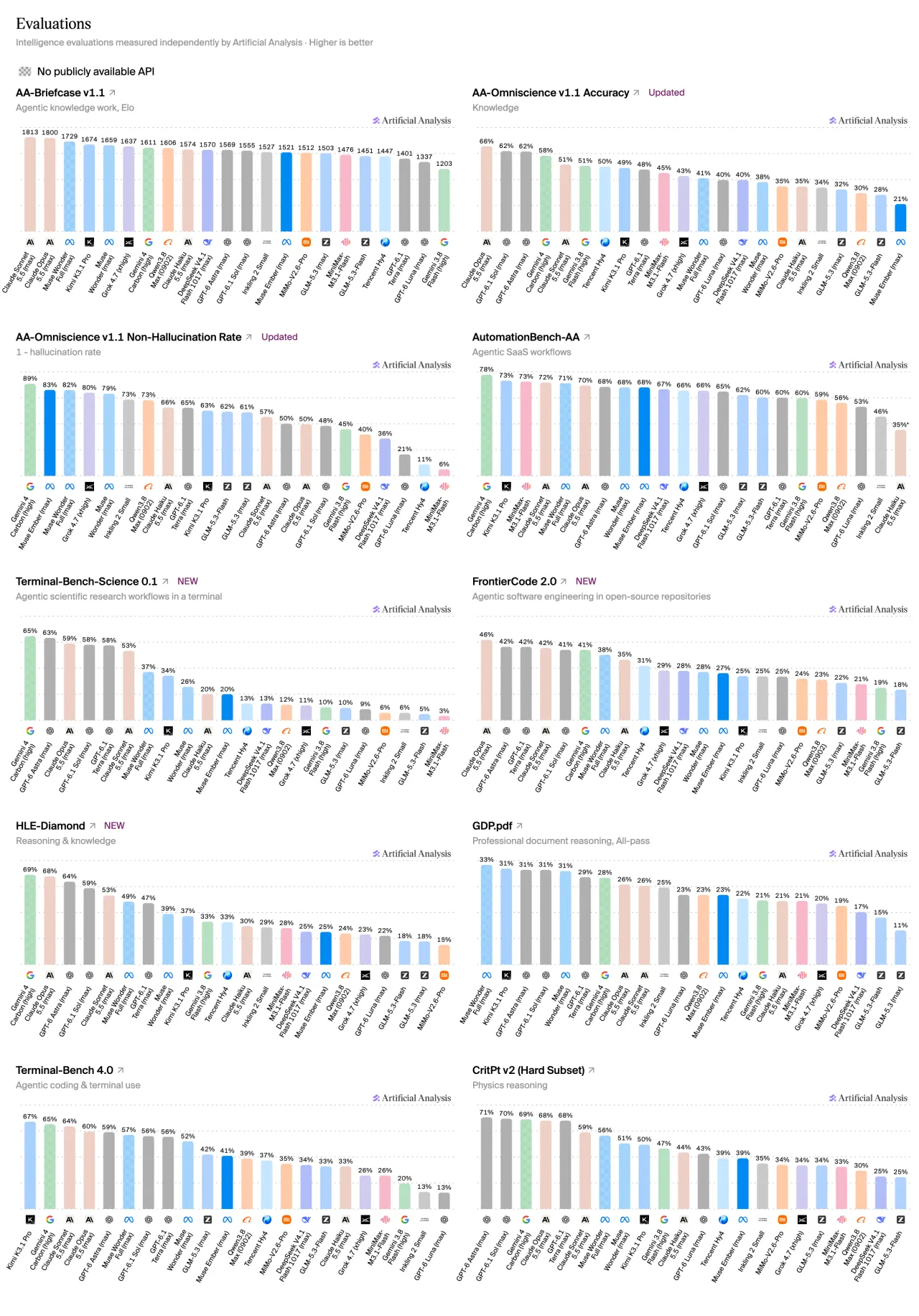
This makes Muse Ember ideal for the 77% peripheral workload: parsing files, querying git logs, and invoking tools without generating hallucinated arguments.
3. Cognition SWE-2 Flash: 200 Tokens/Sec and Benchmark Inversion at 1/5 Price
While Meta targeted general reasoning, Cognition addressed code generation and debugging with SWE-2 Flash (Cognition Engineering Blog).
The Architectural Foundation of SWE-2 Flash
SWE-2 Flash is fine-tuned from Thinking Machines’ Inkling-Small──a Mixture-of-Experts (MoE) model comprising 276 billion total parameters with 12 billion active parameters per token. Cognition applied mid-training on curated code and literature, followed by Reinforcement Learning (RL).
Across Devin Desktop and CLI, SWE-2 Flash delivers marked operational advantages over flagship SWE-2 (2.8T total, 104B active):
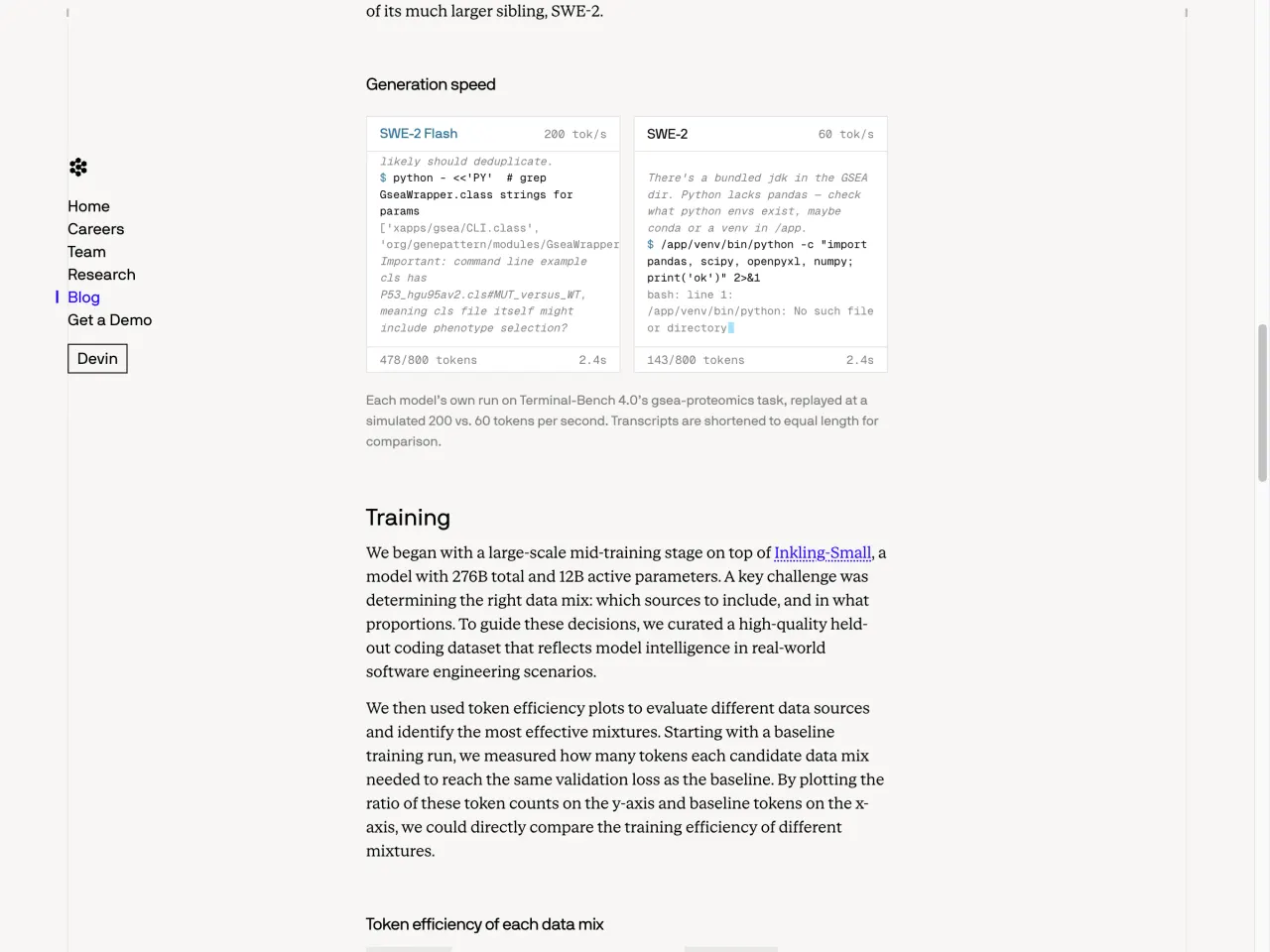
- Economic and Throughput Multipliers: Priced at one-fifth the cost while generating code at 200 tokens per second (over 3x faster than SWE-2’s 60 tokens per second).
- Benchmark Inversion on FrontierCode 2.0: Jumped from 3.2% base to 24.0%, directly surpassing SWE-2 (23.8%) and GPT-6 Luna (21.9%), while nearing Claude Haiku 5.5 (27.7%).
- DeepSWE 1.1 Leadership: Reached 60.1%, outperforming Claude Haiku 5.5 (59.3%) and Muse Spark Open (60.0%).
- Systems Competence: Scored 20.0% on Terminal-Bench 4.0, 89.2% on Terminal-Bench 2.1, 89.9% on SWE-Bench Pro v2 Hard, and escalated cybersecurity capability on ExploitBench from 11.3% to 34.8%.
Cognition’s postmortem emphasized that auditing task instructions, runtime configurations, and automated verifiers drove these gains far more effectively than hyperparameter adjustments.
4. Frontier Reservation: Claude Fable 5.2 and OpenRouter Auto Code
High-order system architecture requires frontier reasoning. In November 2026, Anthropic launched Claude Fable 5.2 (Anthropic Research Announcement).
The Role of Claude Fable 5.2
Fable 5.2 reduces pricing by 20% compared to Fable 5.1 ($8.00 input / $40.00 output per million tokens), while accelerating throughput by up to 30%.
On complex reasoning tasks, Fable 5.2 demonstrates distinctive capabilities:
- FrontierCode 2.0: 49.1% (vs Opus 5.5 at 45.5%).
- FrontierSWE v2: 69.9% (vs Opus 5.5 at 62.3%).
- Remote Labor Index: 41.3% (vs Opus 5.5 at 21.3%).
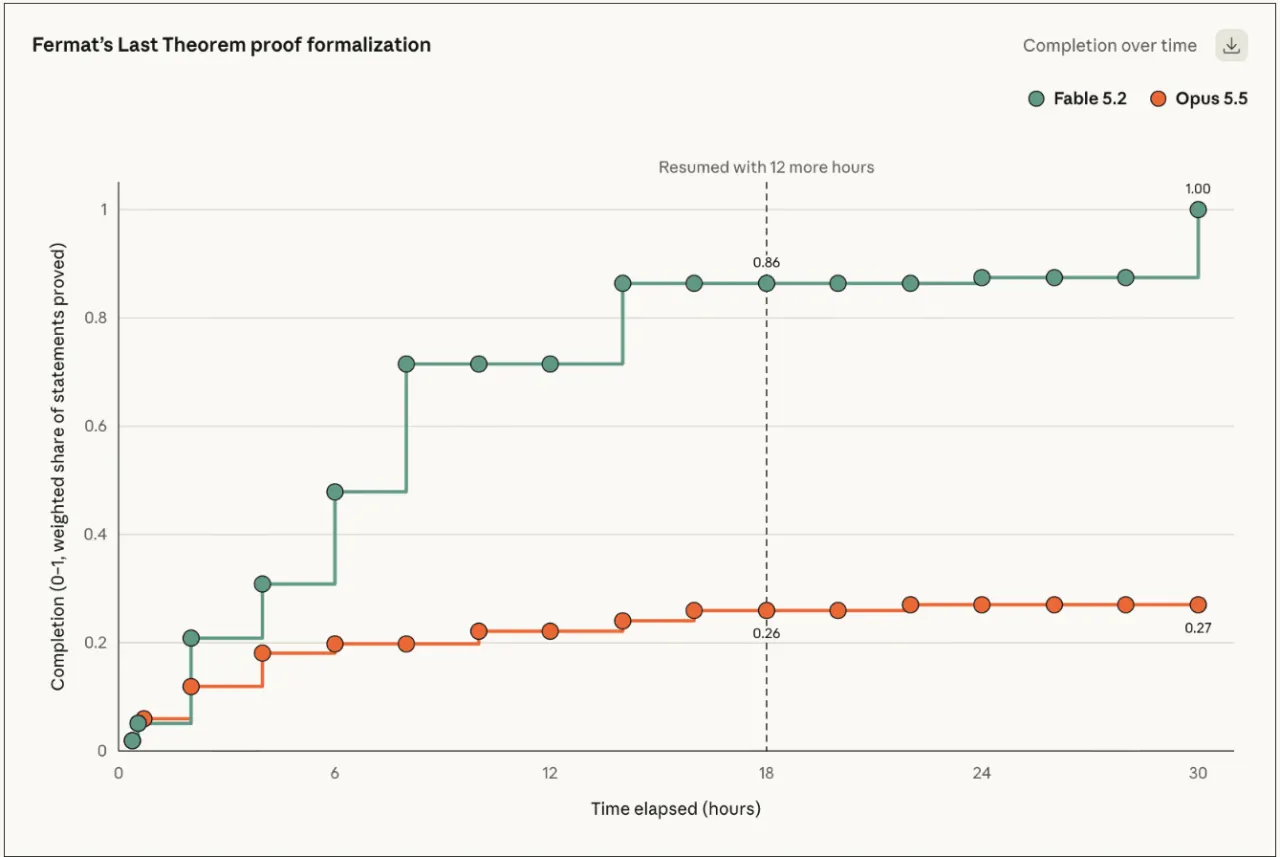
- 30-Hour Fermat Formal Proof: In a multi-agent test of ~1,000 instances, Opus 5.5 stalled after 12 hours at 27% completion. Fable 5.2 sustained execution over 30 hours, reaching 100% formal completion.
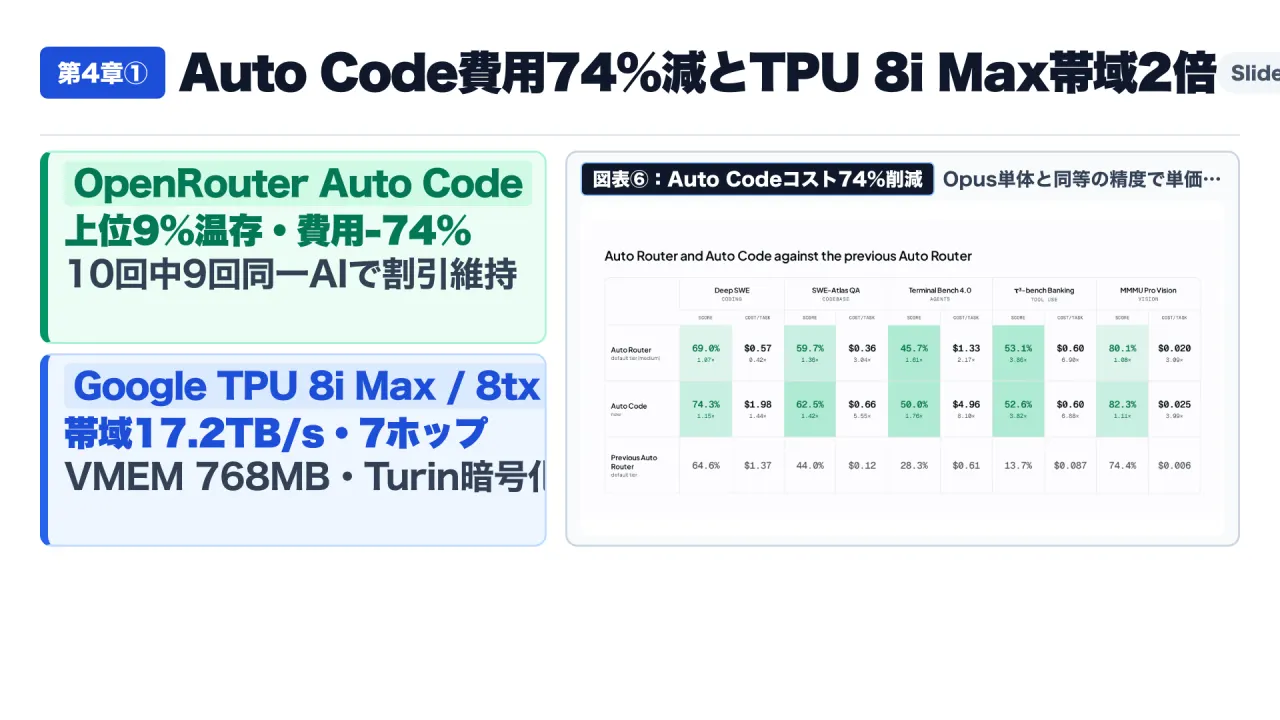
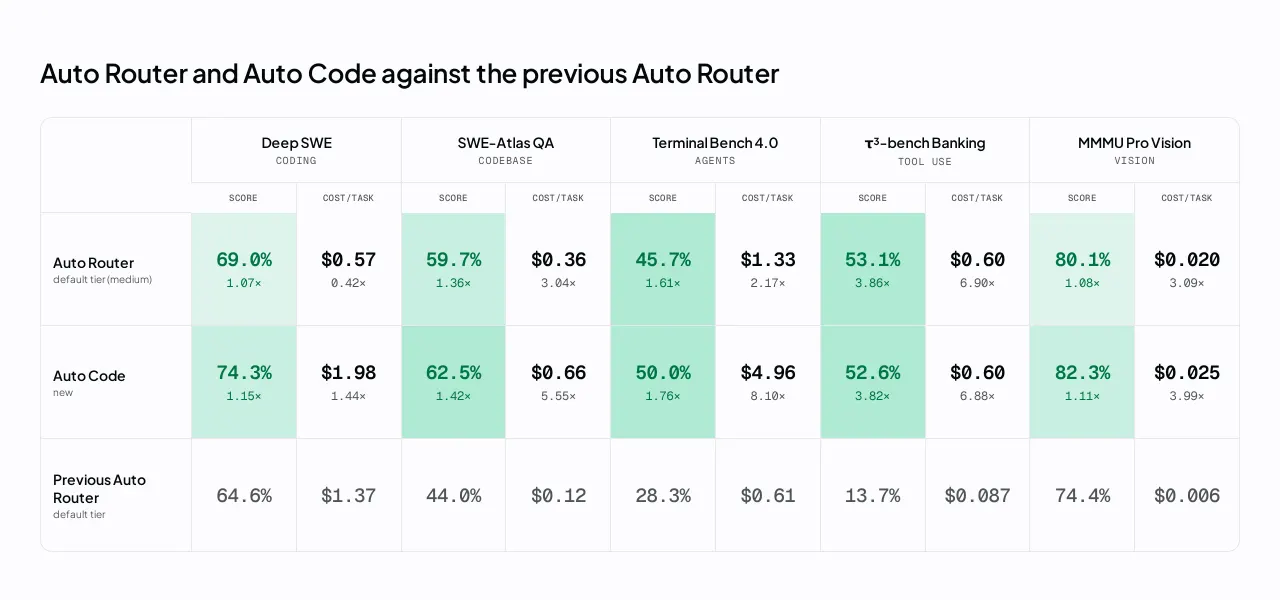
OpenRouter Auto Code: Preserving Cache Stickiness While Cutting Cost 74%
OpenRouter deployed Auto Code (OpenRouter Architecture Blog), evaluating 11 harness features to route requests across 36 models.
Its primary governing principle is Model Stickiness:
- Preserving Cache Across 9 of 10 Turns: Switching models every step destroys prompt cache validity. Auto Code enforces model stickiness across consecutive steps within the same phase.
- Reserving Opus for 9.0% of Workloads: Directing 91% of routine queries to efficient models and reserving Claude Opus 5.5 for 9.0% of critical bottlenecks matches baseline accuracy while cutting average costs by 74%.
5. Hardware Memory Scaling: Google TPU 8i Max and TPU 8tx
Supporting multi-agent context sharing requires high memory bandwidth. In November 2026, Google unveiled its 8th-generation TPU portfolio (Google Cloud Infrastructure Announcement).
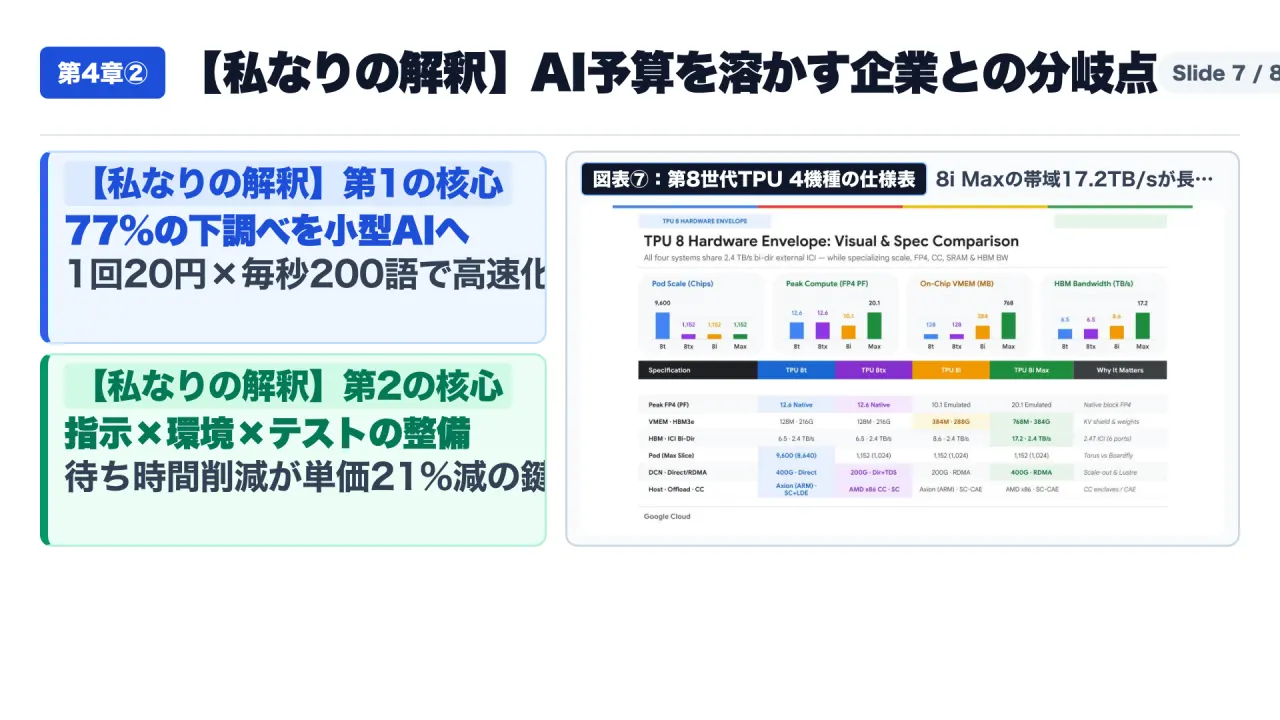
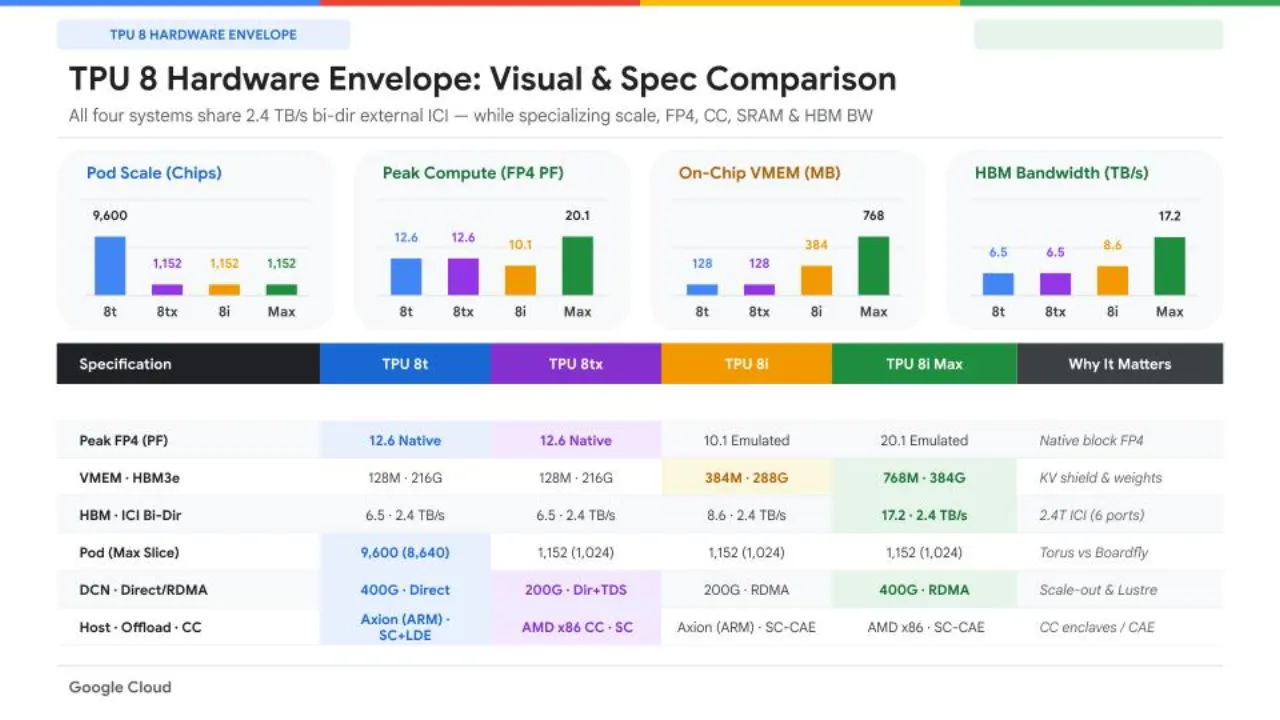
TPU 8i Max and TPU 8tx Specifications
- TPU 8i Max: Dual-chip design featuring 768 MB on-chip Vector Memory (VMEM), 384 GB HBM3e, and 17.2 TB/s memory bandwidth. The Boardfly topology compresses worst-case latency across 1,152 chips from 16 network hops down to 7 hops, while TPU Sync facilitates peer-to-peer KV-cache sharing.
- TPU 8tx: Features dual AMD EPYC Turin (x86) CPUs with 128 PCIe Gen 5 lanes and Confidential Computing enclaves, securing codebases in memory during execution. (Specific release dates and pricing remain unconfirmed).
6. Actionable Implementation Framework: 3 Rules for Engineering Teams
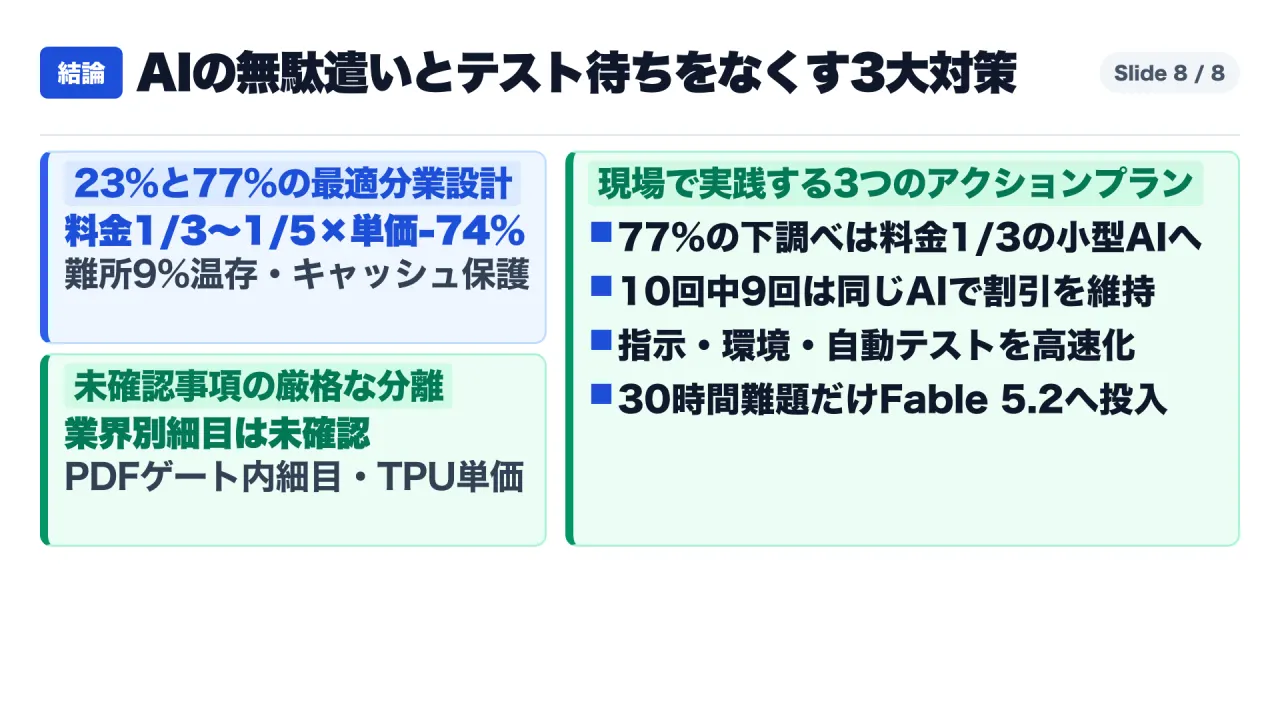
To capture the Global 1000 efficiency dividend──scaling agent task volume while reducing unit costs──engineering teams should implement three operational protocols:
- Implement a 3-Tier Model Allocation Policy:
- Tier 1 (9% to 15% - System Architecture): Reserve Claude Fable 5.2 or Opus 5.5 for initial repository scaffolding, complex concurrency bugs, and core refactoring.
- Tier 2 (20% to 30% - Implementation): Assign SWE-2 Flash to draft modular functions, write tests, and resolve compiler errors at 200 tokens per second.
- Tier 3 (55% to 70% - Context & Test Loops): Route file discovery, documentation parsing, git diff reviews, and CI log analysis to Meta Muse Ember at $0.14 per task.
- Enforce Prompt Cache Stickiness Across Agent Steps:
- Prevent per-step model switching. Require frameworks to maintain the same model instance across consecutive discovery or refactoring loops to preserve prompt cache hits ($0.015/1M tokens on Muse Ember), avoiding redundant context re-ingestion.
- Audit Instructions, Environments, and Verifiers First:
- Before upgrading models to fix agent failures, audit the repository harness. Pre-build hermetic containers, write unambiguous instructions with explicit constraints, and provide deterministic test scripts that execute in under 10 seconds.
Primary Sources and References
- Cognition: The Global 1000 Cloud Agent Benchmark (Published November 2026): https://devin.ai/paid/cloud-agent-benchmark
- TLDR AI: Devin Enterprise Benchmark Executive Summary (November 10, 2026): https://tldr.tech/ai/2026-11-10
- Meta Superintelligence Labs: Muse Ember: Efficient Open Reasoning for Agentic Workflows: https://research.meta.ai/blog/muse-ember
- Artificial Analysis: Independent Intelligence Index (v5.0.1) & Cost Analysis of Meta Muse Ember: https://artificialanalysis.ai/articles/meta-s-muse-ember-is-the-cheapest-model-scoring-36-on-the-intelligence-index
- Cognition: SWE-2 Flash: Mid-Training and Reinforcement Learning for Ultra-Fast Code Generation: https://cognition.com/blog/swe-2-flash
- Anthropic: Claude Fable and Mythos 5.2 Announcement & Formal Verification Benchmarks: https://www.anthropic.com/claude-fable-and-mythos-5-2
- OpenRouter: Auto and Auto Code Intelligent Model Routers: https://openrouter.ai/blog/announcements/auto-and-auto-code-routers/
- Google Cloud: Next-Generation AI Infrastructure: TPU 8i Max and TPU 8tx Specifications: https://blog.google/innovation-and-ai/infrastructure-and-cloud/global-network/tpu-8i-max-and-8tx/